
Hiking with dogs has become increasingly popular as more pet owners include their companions in outdoor adventures, from local nature trails to multi-day backpacking trips. While these experiences offer valuable exercise and bonding opportunities, they also expose dogs to potential hazards such as paw injuries, cuts, insect bites, dehydration, heat stress, and unexpected emergencies far from veterinary assistance. A well-prepared dog hiking first aid kit can help address minor injuries, support emergency response efforts, and improve overall trail safety.
Beyond consumer demand, the growing outdoor pet market has created new opportunities for pet brands, outdoor equipment companies, distributors, and importers seeking specialized emergency preparedness products. Understanding what should be included in a hiking first aid kit for dogs, how these kits are used in real-world situations, and how successful products are developed can provide valuable insights for both outdoor enthusiasts and businesses exploring custom dog first aid kit solutions.
Why Every Hiking Dog Needs a Dedicated First Aid Kit
Exploring nature with a dog can be a rewarding experience, but hiking environments present unique challenges that are often unpredictable. Unlike urban walks or visits to local parks, hiking trails may expose dogs to rough terrain, changing weather conditions, insects, wildlife, and remote locations where professional veterinary assistance is not immediately available. For this reason, carrying a dedicated dog first aid kit for hiking is an important part of responsible outdoor preparation.
A properly equipped dog first aid kit can help owners respond quickly to common trail-related injuries, reduce the severity of minor incidents, and provide temporary support while seeking professional veterinary care when necessary.
Common Risks on Hiking Trails
Even well-maintained hiking trails can present hazards for dogs. Understanding these risks helps explain why a specialized first aid kit is often considered an essential piece of hiking gear.
Sharp Rocks and Uneven Terrain
Many hiking trails contain loose gravel, jagged rocks, and rough surfaces that can damage a dog’s paw pads. Long-distance hikes may also increase the risk of abrasions, cracked pads, or minor cuts. Since dogs rely on their paws to navigate difficult terrain, even a small injury can quickly affect mobility and comfort.
Thorns, Burrs, and Vegetation
Dense vegetation, thorny plants, and burr-producing weeds can cause scratches, skin irritation, or embedded foreign objects. In some cases, plant material may become trapped between a dog’s toes, causing discomfort and increasing the risk of infection if not removed promptly.
Wildlife Encounters
Depending on the hiking location, dogs may encounter snakes, porcupines, insects, or other wildlife. While many encounters are harmless, unexpected interactions can result in bites, punctures, or defensive injuries. Remote trails can make immediate veterinary treatment more challenging, highlighting the importance of preparedness.
Insect Bites and Tick Exposure
Ticks, mosquitoes, bees, and other insects are common in many hiking environments. Tick attachment, allergic reactions to stings, and insect-related irritation are among the most frequently discussed concerns among outdoor dog owners. Carrying appropriate tools and supplies can help address these issues more effectively in the field.
Temperature Extremes
Weather conditions can change rapidly on hiking trails. During warmer months, dogs may face risks associated with overheating, dehydration, and heat stress. In colder environments, exposure to low temperatures, snow, or wet conditions can create additional challenges. Preparation for temperature-related risks should be considered an important part of any hiking safety strategy.
Most Common Hiking Injuries and Emergencies in Dogs
Most commercial dog first aid kits for hiking are not built randomly; they are designed based on injury frequency data, outdoor risk assessments, and field usage feedback from hikers, trainers, and pet safety professionals. The following injury types represent the most commonly addressed emergencies in hiking-specific first aid kits for dogs.
Paw Pad Injuries
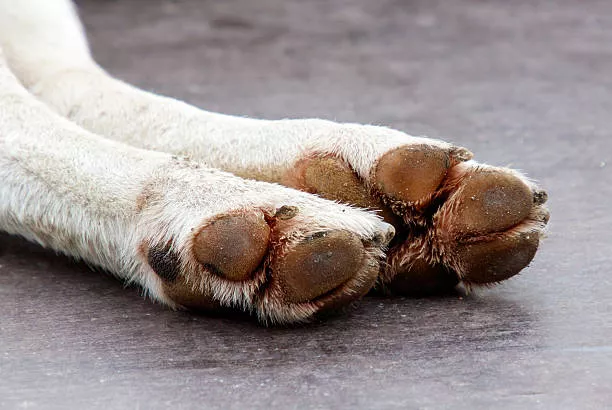
Paw pad injuries are among the most frequent hiking-related issues in dogs. Rough terrain such as gravel, rocky paths, and hot surfaces can cause abrasions, cuts, or cracked paw pads. Long-distance hiking increases the likelihood of wear-and-tear injuries, especially for dogs not regularly conditioned for strenuous outdoor activity.
In commercial product design, paw protection is a core consideration when building a dog wilderness first aid kit. Many manufacturers include items such as self-adhering bandages, sterile gauze pads, antiseptic wipes, and sometimes protective booties or paw balm. These components are selected because paw injuries often require immediate care to prevent infection and allow safe continuation or exit from the trail.
Cuts and Abrasions
Cuts and abrasions can occur when dogs move through dense vegetation, climb over fallen branches, or slip on uneven ground. While many of these injuries are minor, they can become serious if exposed to dirt, bacteria, or continued friction during a hike.
From a product development standpoint, this category heavily influences the inclusion of wound care supplies in a dog hiking emergency kit. Essential components typically include non-stick dressings, medical tape, antiseptic solutions, and wound cleaning pads. The goal is not to perform advanced medical treatment in the field but to stabilize the wound and reduce contamination risk until professional care is available.
Tick Bites
Tick exposure is a major concern in forested and grassy hiking environments. Dogs may pick up ticks while walking through tall grass, brush, or wooded areas. If not removed promptly, ticks can lead to skin irritation, infection, or disease transmission.
For this reason, most hiking-focused dog first aid kits include specialized tick removal tools or tweezers. In product engineering, tick-related components are considered essential rather than optional in many outdoor-oriented markets.
Heat Exhaustion
Heat exhaustion is a serious risk during warm-weather hikes, especially for dogs with thick coats, brachycephalic breeds, or limited endurance. Symptoms may include excessive panting, drooling, weakness, or disorientation.
While a dog hiking emergency kit cannot replace veterinary treatment, it can include supportive tools such as collapsible water bowls, cooling towels, and hydration aids. These items are designed to help stabilize the dog’s condition during transport or while seeking emergency care.
Sprains and Strains
Muscle strain and joint injuries often occur when dogs overexert themselves, jump from heights, or navigate unstable terrain. Larger dogs and highly active breeds are particularly susceptible during long hikes.
In commercial kit design, sprain-related injuries influence the inclusion of supportive bandaging materials and stabilization wraps. While these items do not treat the injury itself, they can help limit movement and reduce discomfort until professional care is available.
Dehydration
Dehydration is a common but often underestimated risk during hiking activities. Dogs may lose fluids rapidly through panting and physical exertion, especially in warm or dry environments. Signs of dehydration can escalate quickly if water intake is not maintained.
To address this, many modern dog hiking emergency kits include collapsible bowls or hydration accessories designed for portability. However, hydration management is ultimately dependent on the owner’s planning, making this category both a behavioral and equipment-related concern.
Industry Insight: How Injury Patterns Shape Commercial Dog First Aid Kits
When manufacturers design a dog wilderness first aid kit, they typically prioritize components based on injury frequency, severity, and ease of field treatment. This is why paw protection, wound care, tick removal tools, and hydration aids consistently appear in most commercially available kits.
In addition, feedback from outdoor brands and distributors plays a significant role in refining kit contents. For example, markets with dense forest environments often require stronger emphasis on tick-related tools, while desert or mountain regions may prioritize heat management and paw protection.
This data-driven approach ensures that commercial kits are not only practical for end users but also aligned with real-world outdoor risks, which is an important factor for brands seeking to develop differentiated private-label products in the pet safety category.
What Should a Dog First Aid Kit for Hiking Include?
A well-designed dog first aid kit for hiking is not a random collection of medical items. It is a carefully structured system built around the most common trail injuries, environmental risks, and practical limitations of outdoor emergency care. For hikers, it provides immediate support during unexpected situations. For manufacturers and pet brands, it represents a product category that must balance portability, usability, and region-specific risk factors.
Below is a structured breakdown of essential components found in high-quality hiking first aid kits for dogs, along with manufacturing insights that explain why each category matters in product development.
Wound Care Supplies
Wound care is the foundation of any dog first aid kit for hiking because cuts, scrapes, and abrasions are among the most common trail injuries. These injuries can occur on rocks, branches, or uneven terrain and may worsen quickly if not treated properly.
Essential wound care items typically include:
- Sterile gauze pads
- Non-stick wound dressings
- Medical adhesive tape
- Antiseptic wipes or solutions
- Self-adhering elastic bandages
From a manufacturing perspective, wound care components are selected based on three criteria: absorption efficiency, ease of application in outdoor environments, and compatibility with animal skin sensitivity. Kits designed for export markets often require additional consideration for regulatory compliance and material safety standards.
Paw Protection Products
Paw injuries represent a significant portion of hiking-related incidents in dogs, making paw protection a critical category in any dog first aid kit checklist. The goal is not only to treat injuries but also to prevent them during long-distance hiking.
Common paw protection items include:
- Protective dog booties
- Paw balm or protective wax
- Foam padding for temporary support
- Bandaging wraps suitable for paw contour
In product development, paw protection components are often customized based on terrain conditions. For example, kits intended for rocky or mountainous regions may prioritize durable booties, while warmer climates may focus on breathable protective solutions. This adaptability is a key factor in private-label product differentiation.
Tick Removal Tools
Tick exposure is one of the most persistent outdoor risks for hiking dogs, especially in wooded or grassy environments. Proper removal tools are essential for minimizing infection risk and ensuring safe extraction.
Typical components include:
- Tick removal tweezers or hooks
- Fine-tip forceps
- Antiseptic cleaning pads
- Disposable gloves
Manufacturers often consider ease of use under stress when selecting tick removal tools. Field feedback shows that users prefer tools that allow quick, single-hand operation, particularly in remote hiking conditions. As a result, ergonomic design is a key factor in modern kit development.
Emergency Equipment
Emergency tools provide critical support during unexpected situations where immediate veterinary care is not available. While not directly medical, these tools enable stabilization and temporary management of injuries.
Common emergency equipment includes:
- Emergency thermal blanket
- Small scissors for cutting bandages
- LED flashlight or signal light
- Digital thermometer (optional in advanced kits)
- Tweezers for debris removal
From a manufacturing standpoint, emergency tools are selected based on weight efficiency and multi-functionality. Outdoor-focused kits often prioritize compact, lightweight designs to ensure they do not burden hikers during long treks.
Hydration Essentials
Hydration management plays a crucial role in preventing heat-related emergencies and maintaining overall canine health during hikes. Dehydration can escalate quickly in warm or high-altitude environments, making hydration tools an essential part of any dog first aid supplies for hiking.
Typical hydration components include:
- Collapsible water bowl
- Portable water container or pouch
- Electrolyte support (in premium kits)
In product development, hydration accessories are often positioned as value-added features that increase perceived usefulness of the kit. Market demand shows that hikers increasingly expect integrated hydration solutions within emergency kits rather than separate items.
Identification and Documentation
In emergency situations, identification and documentation can significantly improve response efficiency and communication with veterinary professionals. This category is often overlooked in basic kits but is essential in advanced commercial designs.
Recommended items include:
- Emergency contact card
- Dog medical information sheet
- Vaccination record copy (waterproofed)
- Owner identification details
From a manufacturing perspective, documentation components are often localized based on target export markets. For example, multilingual instruction cards or region-specific emergency contact formats may be included depending on distribution regions.
Dog First Aid Kit Checklist for Hiking Trips
A well-prepared dog first aid kit checklist is one of the most practical tools for ensuring safety during hiking trips. Unlike general packing lists, a structured checklist focuses specifically on emergency readiness, helping dog owners confirm that essential medical and safety items are included before heading onto the trail. In the context of outdoor pet safety, this checklist is also widely used by brands and product developers to standardize dog first aid kit configurations across different market segments.
Whether for short day hikes or extended backpacking trips, the goal of this checklist is to reduce risk, improve response time during emergencies, and ensure that critical supplies are available when veterinary care is not immediately accessible.
Below is a structured and printable checklist that can be used before every hiking trip.
Printable Dog First Aid Kit Checklist for Hiking Trips
| Category | Item | Purpose | Packed (✓) |
|---|---|---|---|
| Wound Care | Sterile gauze pads | Cover and protect wounds | [ ] |
| Wound Care | Non-stick dressings | Prevent sticking to injuries | [ ] |
| Wound Care | Medical adhesive tape | Secure bandages | [ ] |
| Wound Care | Antiseptic wipes | Clean minor wounds | [ ] |
| Paw Protection | Dog booties | Protect paws from rough terrain | [ ] |
| Paw Protection | Paw balm | Prevent cracking and dryness | [ ] |
| Paw Protection | Elastic bandage wrap | Temporary paw support | [ ] |
| Tick Control | Tick removal tool | Safe tick extraction | [ ] |
| Tick Control | Fine-tip tweezers | Remove debris or insects | [ ] |
| Emergency Tools | Emergency blanket | Prevent shock and retain heat | [ ] |
| Emergency Tools | Small scissors | Cut bandages or tape | [ ] |
| Emergency Tools | LED flashlight | Visibility in low light | [ ] |
| Hydration | Collapsible water bowl | Provide water on the trail | [ ] |
| Hydration | Portable water container | Maintain hydration supply | [ ] |
| Documentation | Emergency contact card | Quick access to vet info | [ ] |
| Documentation | Pet medical record copy | Share health info if needed | [ ] |
How to Use This Checklist Effectively
Before every hike, go through each category systematically rather than checking items randomly. This ensures that no critical component of your dog first aid kit checklist is overlooked. For longer hikes or unfamiliar terrain, consider adding extra hydration supplies, additional bandages, or environment-specific tools such as cooling towels or snake bite precautions depending on the region.
For brands and manufacturers, this checklist format is also commonly used as a foundation for standardized product development. Many OEM and private-label dog first aid kits are built directly from similar structured lists, with modifications based on target market requirements, climate conditions, and retail positioning strategies.
A structured checklist not only improves safety but also helps establish consistency across different kit configurations, making it easier for distributors and brands to communicate product value clearly.
Why Demand for Dog Hiking First Aid Kits Continues to Grow
The increasing demand for dog first aid kits for hiking is closely tied to broader lifestyle and consumer behavior shifts in the outdoor and pet industries. What was once considered a niche safety accessory has evolved into a growing product category within pet travel, outdoor recreation, and emergency preparedness markets. For manufacturers and brands, this shift is not temporary; it reflects long-term structural growth in how consumers include pets in active lifestyles.
Understanding these trends is essential not only for product positioning but also for identifying new opportunities in private-label development, OEM production, and category expansion within the outdoor pet segment.
Growth of Outdoor Recreation
Over the past decade, outdoor recreation has experienced consistent global growth. Hiking, camping, and trail running have become mainstream activities across a wide range of demographics. As more people seek nature-based experiences for fitness and mental well-being, pets are increasingly included as part of these activities.
This shift has directly increased exposure of dogs to outdoor environments where risks such as rough terrain, wildlife encounters, and weather variability are more common. As a result, the need for a hiking first aid kit for dogs has transitioned from optional to essential for many active pet owners.
From a product development perspective, this growth has encouraged brands to move beyond general pet care items and focus on activity-specific safety solutions tailored to outdoor environments.
Rise of Pet Travel and Mobility
Another key driver is the rise of pet travel. Dogs are no longer confined to local walks or short trips; they are now frequently included in road trips, camping vacations, and multi-day hiking expeditions. This increase in mobility has expanded the need for portable, lightweight emergency solutions.
A dog hiking emergency kit is now often seen as part of a broader pet travel system that includes hydration tools, portable feeding equipment, and transport accessories. The integration of safety and mobility has become a defining trend in modern pet product development.
For manufacturers, this creates opportunities to design modular kits that can be adapted for both hiking and general travel use, improving versatility and market reach.
Humanization of Pets
The humanization of pets continues to be one of the strongest long-term drivers in the pet industry. Dog owners increasingly view their pets as family members, which directly influences purchasing behavior and safety expectations. This mindset leads to higher demand for preventive care products, including first aid kits specifically designed for outdoor emergencies.
As emotional attachment increases, consumers are more willing to invest in specialized safety equipment rather than relying on generic or improvised solutions. This has significantly expanded the market for premium and customized dog first aid kits for hiking.
For brands, this trend supports product differentiation through branding, packaging design, and curated kit contents that align with lifestyle positioning rather than basic functionality alone.
Consumer Interest in Preparedness and Safety
Modern consumers are also more aware of emergency preparedness due to increased exposure to health, environmental, and travel-related risks. This awareness extends to pet care, where owners are actively seeking ways to manage unexpected situations during outdoor activities.
Preparedness-focused products such as hiking first aid kits for dogs are benefiting from this shift in mindset. Instead of reacting to injuries after they occur, consumers are now more likely to proactively purchase safety kits before engaging in outdoor activities.
This behavioral change has encouraged manufacturers to design kits that emphasize ease of use, clear organization, and real-world applicability, ensuring that users can respond effectively under pressure.
Industry Insight: How These Trends Shape Product Development
From a manufacturing and OEM/ODM perspective, these converging trends are reshaping how dog hiking first aid kits are designed and positioned in the market. Instead of standardized kits, brands are increasingly requesting customized solutions based on:
- Regional hiking conditions and climate variations
- Target consumer demographics and activity levels
- Brand positioning (premium, outdoor adventure, budget-friendly)
- Retail channel requirements and packaging formats
- Multi-use functionality for travel and outdoor recreation
This shift has led to greater demand for modular kit systems, where components can be adjusted based on market needs. It has also increased interest in private-label development, where outdoor and pet brands seek to launch differentiated products without investing in full in-house production systems.
For manufacturers, this creates a significant opportunity to provide end-to-end solutions that include product design, component selection, packaging customization, and branding support. The dog first aid kit for hiking category is no longer just a safety accessory segment; it has become a strategic product line within the broader outdoor pet industry.
How Brands Develop Custom Dog First Aid Kits
The development of a custom dog first aid kit is a structured process that combines market research, product engineering, packaging design, and brand positioning. Unlike off-the-shelf solutions, a custom dog first aid kit is built to reflect a specific brand identity, target user profile, and regional demand conditions. For pet brands, outdoor companies, and importers, this process is not only about product creation but also about building a differentiated position within a growing and competitive market.
In the context of private label dog first aid kit development, manufacturers typically follow a multi-stage workflow that ensures both functional reliability and commercial viability.
Defining the Target Market
The first step in developing a custom dog first aid kit is identifying the target market. This stage determines nearly every subsequent decision, including kit contents, packaging format, pricing structure, and branding approach.
Different market segments may require significantly different configurations:
- Outdoor adventure brands may prioritize lightweight, compact kits designed for hiking and camping.
- Premium pet brands may focus on aesthetic packaging and expanded safety contents.
- Budget-oriented distributors may prioritize cost efficiency and standardized components.
- Export-focused companies must consider regulatory requirements and regional safety expectations.
Manufacturers and product developers often work closely with clients during this stage to define usage scenarios, such as day hiking, multi-day backpacking, or general pet travel. This ensures that the final product aligns with real-world applications rather than generic assumptions.
Selecting Components
Once the target market is defined, the next step is selecting the internal components of the kit. This is one of the most critical stages in private label dog first aid kit development because it directly impacts both usability and product value perception.
Component selection is typically based on:
- Common hiking injuries and emergency scenarios
- Climate and terrain conditions of target markets
- Product weight and portability requirements
- Cost structure and retail positioning
- Brand-specific differentiation needs
Typical components include wound care supplies, paw protection materials, tick removal tools, hydration accessories, and emergency stabilization items. However, the exact configuration varies depending on the intended market positioning.
For example, a kit designed for mountainous regions may include reinforced bandaging materials and thermal protection tools, while a kit designed for warmer climates may emphasize hydration and cooling accessories.
From a manufacturing standpoint, this stage often involves balancing functionality with packaging constraints to ensure the kit remains compact, lightweight, and easy to carry during outdoor activities.
Packaging Design
Packaging plays a critical role in both usability and market appeal. In outdoor environments, accessibility and durability are just as important as visual design. For this reason, packaging for a custom dog first aid kit is often engineered with practical use in mind.
Key considerations include:
- Waterproof or weather-resistant materials
- Compact and lightweight structure
- Internal compartment organization
- Quick-access layout for emergency use
- Brand visibility and shelf appeal
In private label production, packaging is also a major branding tool. Companies often use customized colors, logos, and instructional labeling to align the product with their brand identity. Some brands also incorporate multi-language instructions to support international distribution.
Manufacturers typically prototype packaging designs alongside kit components to ensure usability under real-world conditions, such as low-light environments or stressful emergency situations.
Brand Differentiation
As the market for dog first aid kits for hiking becomes more competitive, brand differentiation has become a key factor in product success. Simply offering a standard kit is no longer sufficient for many outdoor and pet brands.
Differentiation strategies may include:
- Unique product bundling or expanded kit contents
- Premium materials or eco-friendly packaging
- Specialized kits for different hiking environments
- Enhanced instructional materials or safety guides
- Lifestyle-oriented branding and storytelling
For private label dog first aid kit projects, differentiation is often achieved through a combination of packaging design and curated content selection. This allows brands to position their products as either premium safety solutions or practical everyday essentials depending on their target audience.
Retail Positioning
Retail positioning defines how the product is perceived in the market, even when it is not sold directly to end consumers. For distributors, importers, and brand owners, positioning determines pricing strategy, marketing approach, and channel selection.
Common positioning strategies include:
- Outdoor adventure gear accessory
- Pet travel safety essential
- Emergency preparedness kit
- Premium pet care solution
- Entry-level safety starter kit
Each positioning approach influences both product design and messaging. For example, premium positioning may emphasize durability and advanced components, while entry-level positioning may focus on affordability and essential coverage.
Manufacturers often support clients during this stage by providing packaging mockups, content suggestions, and market-specific configuration options to ensure the final product aligns with its intended commercial channel.
Unique Manufacturer Insight: Product Development Workflow
From a manufacturing perspective, the development of a custom dog first aid kit follows a structured workflow designed to ensure consistency, safety, and scalability. While details may vary by project, the general process typically includes:
- Market requirement analysis and consultation
- Kit structure and component selection
- Sample development and prototyping
- Packaging design and material testing
- Client review and revisions
- Final approval and production planning
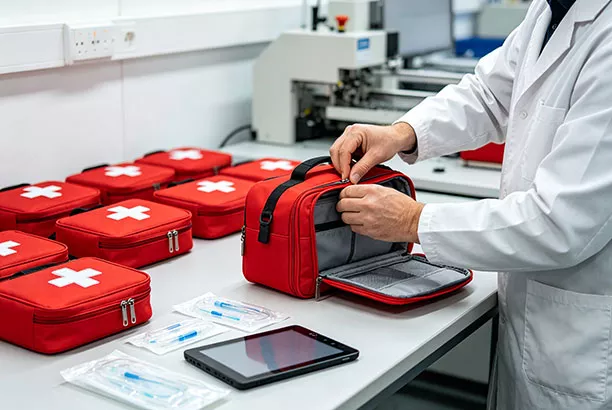
- Mass production and quality control inspection
Each stage is designed to reduce risk and ensure that the final product meets both functional requirements and brand expectations. In OEM and ODM production, this workflow allows manufacturers to efficiently translate market demand into scalable product solutions.
This structured approach is particularly important in the dog first aid kit for hiking category, where product reliability, usability, and portability directly impact real-world performance.
OEM and ODM Customization Options
Customization is one of the most important value drivers in the dog first aid kit for hiking category. As the market matures, more pet brands, outdoor companies, and distributors are shifting away from standard off-the-shelf kits and instead investing in OEM dog first aid kit and ODM dog first aid kit solutions. These customization models allow brands to develop differentiated products that align with specific market needs, brand identity, and regional safety requirements.
In OEM (Original Equipment Manufacturing) projects, clients typically provide their own branding and sometimes product specifications, while the manufacturer handles production. In ODM (Original Design Manufacturing) projects, the manufacturer provides a complete product design that can be customized and rebranded by the client. Both approaches are widely used in the pet outdoor safety industry, depending on the level of product development control required by the brand.
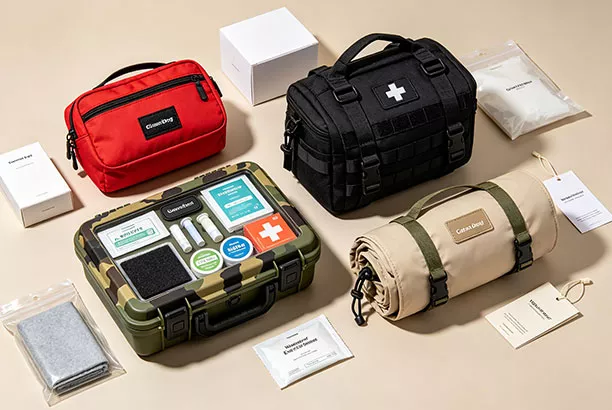
Custom Bag Styles
One of the most visible customization elements in a dog hiking first aid kit is the bag or container design. The outer packaging not only protects internal components but also plays a key role in usability and brand perception.
Common customization options include:
- Compact pouch designs for lightweight hiking use
- Hard-shell EVA cases for durability and impact resistance
- Roll-up bags for quick access and portability
- Waterproof fabric bags for wet or humid environments
- MOLLE-compatible designs for tactical or outdoor gear integration
From a manufacturing perspective, bag selection is often aligned with the intended use scenario. For example, backpacking-focused kits prioritize weight reduction, while expedition-grade kits may emphasize durability and environmental resistance.
Logo Branding
Brand identity is a key factor in private label dog first aid kit production. Logo branding helps differentiate products in competitive retail environments and strengthens recognition across distribution channels.
Customization methods include:
- Printed logos on fabric or hard cases
- Embroidered branding for premium positioning
- Heat transfer or silk-screen printing
- Metal or PVC logo badges for durability and visual impact
Manufacturers typically provide multiple branding samples during the prototyping stage to ensure alignment with client expectations. Logo placement is also carefully considered to balance visibility with design aesthetics.
Instruction Manuals
Instruction manuals are often overlooked but play a critical role in both user experience and product credibility. In outdoor emergency situations, clear and simple instructions can significantly improve response efficiency.
Customization options include:
- Step-by-step emergency response guides
- Illustrated usage instructions for each component
- QR codes linking to video demonstrations
- Safety tips tailored to hiking environments
- Brand-specific educational content
For OEM and ODM dog first aid kit projects, instruction manuals also serve as a branding extension. They reinforce product authority and help position the kit as a professional-grade safety solution rather than a generic accessory.
Packaging Options
Packaging is one of the most important factors in product positioning and retail success. It directly influences first impressions, perceived value, and shelf competitiveness.
Available packaging customization includes:
- Retail-ready blister packaging or boxed sets
- Eco-friendly recyclable packaging materials
- Premium gift-style packaging for high-end positioning
- Compact vacuum-packed kits for cost efficiency
- Hanging display packaging for retail environments
Manufacturers often design packaging based on the target distribution channel. For example, e-commerce-focused kits may prioritize durability during shipping, while retail-focused kits emphasize visual appeal and shelf impact.
In the dog first aid kit for hiking segment, packaging must also support functional usability, ensuring that kits remain accessible and organized in outdoor conditions.
Multi-Language Support
As the global pet product market expands, multi-language support has become an essential customization feature for export-oriented brands. This is particularly important for OEM dog first aid kit and ODM dog first aid kit products distributed across multiple regions.
Customization options include:
- Multilingual instruction manuals
- Translated safety labels and icons
- Region-specific emergency guidance
- Compliance labeling for different markets
- Universal icon-based instruction systems
This approach not only improves usability but also reduces barriers to entry in international markets. Manufacturers often adapt packaging and documentation based on destination country requirements to ensure smooth distribution and compliance.
Market-Specific Configurations
One of the most advanced levels of customization in dog hiking first aid kits is market-specific configuration. Instead of offering a universal kit, manufacturers adjust components based on environmental, cultural, and consumer behavior differences.
Examples include:
- Hot climate regions: increased focus on hydration tools and cooling accessories
- Forested regions: enhanced tick removal and insect bite management tools
- Mountain regions: reinforced wound care and stabilization materials
- Urban outdoor markets: lightweight, minimal emergency kits for short hikes
This level of customization allows brands to create highly targeted products that better match user expectations and improve real-world usability.
From a product development standpoint, market-specific configuration is often the key differentiator between standard kits and premium private label offerings. It also reflects a more mature understanding of how outdoor conditions influence pet safety requirements.
How to Choose a Reliable Dog First Aid Kit Manufacturer
Selecting a reliable dog first aid kit manufacturer is a critical decision for any brand, distributor, or importer entering the pet outdoor safety market. The quality of the supplier directly impacts product safety, consistency, market reputation, and long-term scalability. In a category like dog first aid kit for hiking, where products are used in real emergency situations, supplier reliability becomes even more important than price alone.
A strong dog first aid kit supplier is not just a production partner but a long-term development collaborator who understands outdoor use cases, regional requirements, and private label customization needs. The following factors are essential when evaluating potential manufacturing partners.
Industry Experience
Industry experience is one of the most important indicators of a capable manufacturer. A supplier with proven experience in producing outdoor or pet emergency kits is more likely to understand the practical requirements of hiking environments and real-world usage scenarios.
When evaluating a dog first aid kit manufacturer, consider:
- Years of production experience in pet or outdoor safety products
- Familiarity with hiking, camping, and travel use cases
- Existing product portfolio and market presence
- Ability to develop customized OEM and ODM solutions
Manufacturers with strong industry experience are typically better at anticipating product failures, optimizing kit contents, and ensuring usability under real outdoor conditions.
Quality Assurance
Quality assurance is essential for ensuring that every dog hiking first aid kit performs reliably in emergency situations. Since these kits often include medical-related supplies, consistency and safety standards are critical.
Key quality assurance factors include:
- Material safety compliance and certification standards
- Incoming raw material inspection procedures
- In-process quality control during assembly
- Final product inspection before shipment
- Batch consistency testing for large orders
A reliable dog first aid kit supplier will have clearly defined quality control systems and documentation processes. For export markets, additional compliance with regional regulations may also be required.
Sampling Process
The sampling process is a key stage in product development, especially for OEM and ODM projects. It allows brands to evaluate design, functionality, and packaging before committing to mass production.
Important aspects of sampling include:
- Speed and accuracy of prototype development
- Ability to adjust components based on feedback
- Realistic simulation of final production quality
- Packaging and branding mockups included in samples
A professional manufacturer will typically offer multiple rounds of sample refinement to ensure the final product meets both functional and commercial expectations. In the dog first aid kit for hiking category, this step is especially important because usability under real outdoor conditions must be validated before scaling production.
Production Capacity
Production capacity determines whether a manufacturer can support long-term growth and large-scale distribution. For brands planning to expand internationally, capacity constraints can directly affect market opportunities.
Key considerations include:
- Monthly or annual production volume capability
- Ability to scale production for large orders
- Availability of multiple production lines
- Lead time consistency during peak demand periods
A strong dog first aid kit manufacturer should be able to handle both small pilot orders and large-scale wholesale production without compromising quality or delivery timelines.
Export Experience
Export experience is particularly important for international brands and distributors. A supplier with established export capabilities is more likely to understand documentation, compliance requirements, and logistics coordination.
Key indicators of export readiness include:
- Experience shipping to multiple international markets
- Knowledge of customs documentation and labeling requirements
- Familiarity with region-specific compliance standards
- Ability to adapt packaging for different countries
For global distribution of dog first aid kits for hiking, export experience ensures smoother logistics and reduces risks associated with regulatory delays or shipment issues.
Communication and Support
Effective communication is often underestimated but plays a crucial role in long-term supplier relationships. Clear communication ensures that product requirements are accurately understood and implemented.
Important communication factors include:
- Responsiveness during inquiry and development stages
- Clarity in technical explanations and product specifications
- Ability to provide updates during production
- Post-sale support and issue resolution
A professional dog first aid kit supplier will maintain transparent communication throughout the entire process, from initial inquiry to final delivery.
Supplier Evaluation Checklist
To simplify the selection process, brands can use the following checklist when evaluating potential manufacturers:
| Evaluation Criteria | Key Questions | Status (✓/✗) |
|---|---|---|
| Industry Experience | Do they have experience with pet or outdoor safety kits? | |
| Product Quality | Do they follow strict quality control procedures? | |
| Sampling Capability | Can they provide fast and accurate prototypes? | |
| Production Capacity | Can they handle your expected order volume? | |
| Export Experience | Do they ship internationally with proper compliance? | |
| Communication | Are they responsive and technically clear? | |
| Customization | Do they support OEM and ODM development? |
This checklist helps ensure a structured evaluation process and reduces the risk of selecting an unsuitable supplier.
Frequently Asked Questions
Can a dog first aid kit be customized?
Yes, dog first aid kits can be fully customized through OEM and ODM manufacturing models. Brands can adjust kit contents, packaging design, branding elements, and even instruction manuals based on their target market. Customization is commonly used by pet brands, outdoor companies, and distributors to create differentiated private-label products tailored to specific consumer needs.
How do private-label pet first aid kits work?
Private-label pet first aid kits are manufactured products that are branded and sold under a company’s name. The manufacturer produces the kit, including contents and packaging, while the client applies their branding. This allows companies to enter the market quickly without investing in product development infrastructure, while still offering customized and branded solutions.
What factors affect MOQ?
Minimum Order Quantity (MOQ) is influenced by several factors, including customization level, packaging complexity, component variety, and production setup requirements. Highly customized dog first aid kits for hiking typically require higher MOQs due to tooling, material sourcing, and assembly adjustments, while standard ODM kits may allow lower entry quantities.
How should brands choose a supplier?
Brands should evaluate suppliers based on industry experience, quality control systems, sampling capability, production capacity, export experience, communication efficiency, and customization support. A reliable dog first aid kit manufacturer should be able to provide consistent quality, clear communication, and scalable production for both small and large orders.
Conclusion
Preparedness is not only about carrying supplies, but about understanding how and when to use them. When combined with basic knowledge of trail risks and emergency response principles, a hiking first aid kit for dogs becomes a reliable safety companion that supports both short hikes and extended outdoor adventures.
For brands, distributors, and importers, this growing demand creates significant potential for product innovation and differentiation. Customization options allow businesses to design tailored solutions that align with specific market needs, regional conditions, and brand positioning strategies. From kit contents and packaging design to branding and instructional materials, every element can be adapted to create a unique and competitive product offering.