
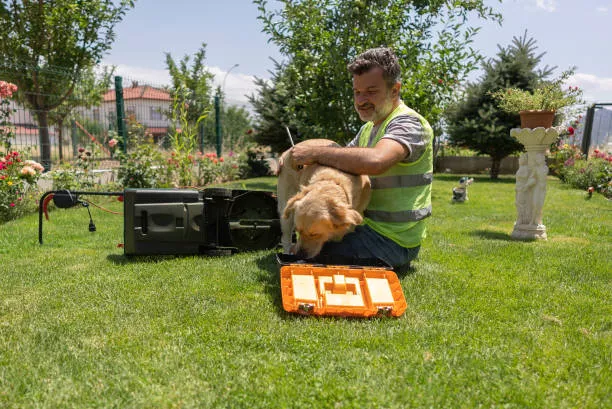
Hunting dogs are among the most capable and hardworking canine companions. From retrieving waterfowl in cold wetlands to navigating dense forests during upland hunts, these dogs perform physically demanding tasks in environments filled with unpredictable challenges.
However, even the most experienced and well-trained hunting dogs are vulnerable to injuries. Sharp vegetation, rough terrain, extreme weather, wildlife encounters, and intense physical activity can all create situations where immediate first aid becomes necessary.
For hunters and working dog owners, preparation is not simply about carrying equipment—it is about understanding potential risks, recognizing early warning signs, and knowing how to respond when professional veterinary care is not immediately available.
A well-prepared hunting team should understand common field injuries, maintain proper emergency supplies, and establish safety routines before every outdoor activity.
For outdoor brands, sporting goods distributors, and private-label companies, the growing demand for specialized canine safety products also creates opportunities to develop reliable hunting dog first aid solutions that meet the needs of modern hunters.
This guide explains common hunting dog injuries, prevention strategies, field treatment principles, and the importance of specialized emergency preparedness for working dogs.
Why Hunting Dogs Need First Aid Preparedness
Unlike household pets, hunting dogs regularly operate in remote environments where veterinary assistance may be hours away. A small injury that appears manageable at first can quickly become a serious problem when a dog continues working under demanding conditions.
Common hunting environments include:
- Forests with sharp branches and dense vegetation
- Rocky terrain
- Marshes and wetlands
- Cold rivers and lakes
- Areas with wildlife hazards
- Remote locations far from immediate medical support
Field first aid does not replace professional veterinary treatment. Instead, it provides temporary support by helping owners:
- Control bleeding
- Protect wounds from contamination
- Reduce further injury
- Stabilize the dog
- Safely transport the dog for veterinary care
A prepared handler can make critical decisions during the first few minutes after an accident occurs.
For professional trainers, hunting guides, and outdoor organizations, establishing reliable first aid practices also demonstrates responsible animal care and improves overall safety standards.
Common Hunting Dog Injuries in the Field
Understanding the most frequent injuries helps hunters prepare the correct supplies and respond more effectively during emergencies.
Cuts and Lacerations
Cuts are among the most common injuries experienced by hunting dogs.
Sharp objects such as:
- Broken branches
- Thorny plants
- Barbed wire
- Rocks
- Metal debris
can cause wounds on the legs, chest, ears, and body.
Minor cuts may require only cleaning and protection, while deeper lacerations can involve significant bleeding and contamination.
Basic Response
When a hunting dog suffers a cut:
- Move the dog away from hazards.
- Assess the wound carefully.
- Apply sterile gauze with gentle pressure.
- Clean visible debris when possible.
- Cover the wound with a protective dressing.
- Prevent the dog from returning to strenuous activity.
Deep wounds, uncontrolled bleeding, or injuries involving exposed tissue require veterinary attention.
Paw Injuries and Foot Problems
A hunting dog’s paws are essential working equipment. Long-distance movement over difficult terrain places significant stress on paw pads.
Common paw problems include:
- Torn paw pads
- Abrasions
- Cracked pads
- Embedded thorns
- Cuts between toes
- Excessive wear
Even a small paw injury can prevent a dog from continuing a hunt.
Paw Injury Prevention
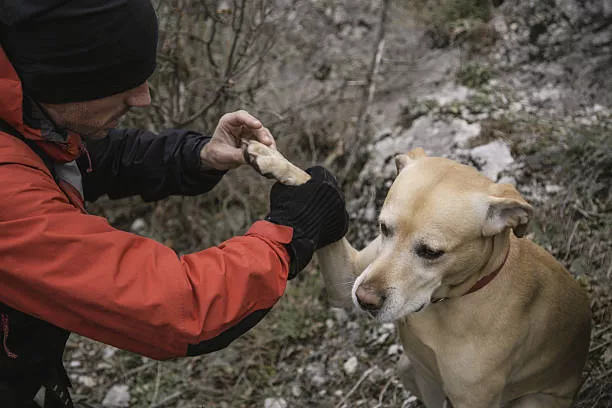
Handlers should regularly inspect paws:
- Before entering the field
- During extended hunts
- After returning home
Early detection allows minor problems to be treated before they become more serious.
Protective equipment such as paw wraps or dog boots can also reduce injury risks in particularly harsh environments.
Puncture Wounds
Puncture injuries often occur when dogs move quickly through dense vegetation or encounter sharp objects.
Examples include:
- Sticks
- Thorns
- Sharp branches
- Hidden debris
These injuries can be deceptive because the external opening may appear small while bacteria and contaminants remain trapped beneath the skin.
A puncture wound should be monitored carefully because infection can develop quickly.
If an object is deeply embedded, avoid unnecessary removal in the field unless it can be done safely. Stabilizing the area and seeking veterinary care is often the better option.
Muscle Strains, Sprains, and Physical Fatigue
Hunting dogs frequently perform explosive movements:
- Running
- Jumping
- Swimming
- Retrieving
- Tracking
These activities place stress on muscles and joints.
Warning signs include:
- Limping
- Reduced movement
- Reluctance to continue
- Swelling
- Difficulty standing
Proper conditioning before hunting season helps reduce the likelihood of fatigue-related injuries.
Dogs should gradually build endurance rather than immediately performing long, intense field work after periods of inactivity.
Heat-Related Illness
Warm-weather hunting presents significant risks, especially when dogs combine high activity levels with limited recovery periods.
Signs of overheating include:
- Excessive panting
- Heavy drooling
- Weakness
- Bright red gums
- Vomiting
- Confusion
- Collapse
Heat Prevention
Hunters can reduce risks by:
- Scheduling activities during cooler periods
- Providing regular water breaks
- Allowing rest periods
- Monitoring behavior closely
If heat-related symptoms appear, remove the dog from activity immediately and begin cooling measures while arranging veterinary care if necessary.
Cold Weather Injuries
Cold-weather hunting creates different challenges.
Dogs working in freezing conditions may experience:
- Hypothermia
- Frostbite
- Reduced mobility
- Cold-related fatigue
Waterfowl hunting dogs are particularly exposed because repeated swimming can rapidly reduce body temperature.
Preventive measures include:
- Drying dogs after swimming
- Providing warm recovery areas
- Monitoring energy levels
- Limiting prolonged exposure
Eye Injuries and Foreign Objects
Dense vegetation and outdoor environments can expose hunting dogs to eye hazards.
Possible causes include:
- Grass seeds
- Thorn branches
- Dust
- Debris
Warning signs include:
- Squinting
- Excessive tearing
- Eye redness
- Pawing at the face
Avoid allowing the dog to rub the affected eye, as this may worsen damage.
Minor irritation may be flushed carefully, but visible damage or persistent discomfort requires veterinary evaluation.
Wildlife Encounters and Insect Bites
Outdoor environments expose hunting dogs to:
- Ticks
- Bees
- Wasps
- Fire ants
- Snakes
Some reactions may be mild, while others can become life-threatening.
Severe warning signs include:
- Facial swelling
- Breathing difficulty
- Weakness
- Collapse
Any suspected venomous bite or severe allergic reaction requires immediate veterinary assistance.
Preventing Hunting Dog Injuries Before They Happen
The best first aid strategy is prevention.
Maintain Physical Conditioning
A properly conditioned dog is better prepared for demanding work.
Regular training improves:
- Endurance
- Muscle strength
- Coordination
- Recovery ability
Gradual conditioning before hunting season helps reduce preventable injuries.
Evaluate Hunting Environments
Before releasing dogs into unfamiliar areas, inspect the environment for hazards.
Look for:
- Sharp vegetation
- Unsafe water conditions
- Hidden holes
- Broken fencing
- Dangerous terrain
Understanding the environment allows handlers to make safer decisions.
Monitor Weather Conditions
Weather should influence hunting plans.
During warm conditions:
- Provide additional hydration.
- Schedule breaks.
- Monitor temperature-related symptoms.
During cold conditions:
- Prevent prolonged exposure.
- Dry wet dogs.
- Provide warmth during rest periods.
Carry a Dedicated Hunting Dog First Aid Kit
A specialized first aid kit allows quick response when emergencies occur. Unlike general-purpose emergency supplies, a field-ready first aid kit for hunting dogs is designed around the challenges working dogs face in outdoor environments, including wound management, paw protection, and unexpected injuries during remote activities.
Compared with a general human first aid kit, a hunting dog first aid kit can be designed around canine-specific needs, including:
- Paw protection
- Veterinary wound care supplies
- Field-friendly organization
- Outdoor durability
For hunting equipment brands and distributors, professionally manufactured first aid kits also provide an opportunity to offer customers specialized safety solutions.
Field Treatment for Common Hunting Dog Emergencies
Treating Bleeding Injuries
Bleeding should be addressed quickly.
Basic steps include:
- Apply direct pressure with sterile gauze.
- Maintain pressure until bleeding slows.
- Add additional layers if needed.
- Protect the wound with a secure dressing.
Avoid repeatedly removing soaked dressings, as this may disturb clot formation.
Treating Paw Injuries in the Field
For paw problems:
- Inspect the affected area.
- Remove loose debris carefully.
- Clean the wound.
- Apply protective covering.
- Reduce unnecessary movement.
After the hunt, monitor for swelling, infection, or continued limping.
Responding to Snake Bites
If a snake bite occurs:
- Keep the dog calm.
- Restrict movement.
- Transport the dog for emergency veterinary care.
Do not:
- Cut the bite area.
- Apply ice.
- Attempt to remove venom.
- Use improvised treatments.
Professional medical treatment is essential.
Managing Heat Emergencies
For suspected overheating:
- Move the dog into shade.
- Provide cool water if appropriate.
- Apply gradual cooling methods.
- Stop all activity.
Severe heat-related illness requires immediate veterinary care.
Building an Effective Hunting Dog First Aid Kit
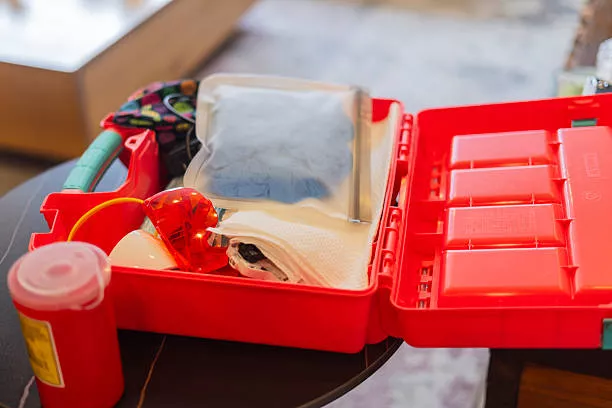
A reliable kit should contain supplies designed for common field situations.
Wound Care Supplies
Recommended items include:
- Sterile gauze
- Non-stick dressings
- Medical tape
- Cohesive bandages
- Saline solution
- Disposable gloves
Emergency and Protection Supplies
Additional useful items include:
- Tick removal tools
- Tweezers
- Scissors
- Emergency blanket
- Cold packs
- Thermometer
- Protective paw materials
Importance of Kit Organization
Emergency situations require fast decisions.
A well-designed kit should include:
- Clearly organized compartments
- Durable packaging
- Moisture resistance
- Easy access to essential items
Regular inspections ensure supplies remain ready when needed.
Why OEM Hunting Dog First Aid Kits Are Becoming Important for Outdoor Brands
The outdoor pet market continues to expand as consumers seek specialized products for working and adventure dogs.
For companies selling hunting equipment, pet products, or outdoor accessories, developing a branded hunting dog first aid kit can strengthen product portfolios.
OEM and ODM manufacturing allows businesses to develop a specialized hunting dog emergency kit that reflects their target market, brand positioning, and customer requirements. Customization options may include product configuration, packaging design, instructions, and accessory selection.
- Product configurations
- Branding
- Packaging
- Instructions
- Accessories
- Market-specific requirements
Working with an experienced manufacturer allows brands to launch specialized products without investing in their own production facilities.
For wholesalers, distributors, and private-label companies, hunting dog first aid kits represent an opportunity to provide practical solutions for a growing outdoor customer base.
Best Practices Before, During, and After Every Hunt
Before Hunting
Before departure:
- Inspect your dog’s condition.
- Check paws and coat.
- Confirm emergency supplies.
- Review weather conditions.
- Identify nearby veterinary services.
During Hunting
Monitor:
- Energy level
- Breathing
- Movement
- Hydration
- Behavior
Small changes may indicate developing problems.
After Hunting
Perform a complete inspection:
- Check paws.
- Examine skin.
- Look for cuts.
- Remove ticks.
- Monitor unusual behavior.
Restocking used supplies after each trip keeps preparation consistent.
Conclusion
Hunting dogs perform demanding work in challenging environments, making preparation an essential part of responsible ownership.
Understanding common injuries, preventing avoidable risks, and carrying appropriate emergency supplies can greatly improve safety during outdoor activities.
For hunters, first aid knowledge provides confidence in the field. For outdoor brands, distributors, and private-label businesses, specialized hunting dog first aid products represent an opportunity to support customers while expanding product offerings.
A well-designed emergency preparedness solution helps protect working dogs, strengthens customer trust, and supports safer outdoor experiences.
Frequently Asked Questions
What is the most common injury for hunting dogs?
Common hunting dog injuries include cuts, paw pad injuries, puncture wounds, muscle strains, and heat-related problems. Risks vary depending on terrain, weather, and hunting conditions.
Can I use a human first aid kit for my hunting dog?
A human first aid kit may contain useful items, but a dedicated canine first aid kit is better suited for hunting environments because it can include dog-specific supplies and field protection equipment.
How often should I check my hunting dog’s first aid kit?
Inspect supplies before every hunting trip and complete a full review before each hunting season. Replace used, damaged, or expired items regularly.
When should I take my hunting dog to a veterinarian?
Seek professional veterinary care for severe bleeding, snake bites, breathing problems, collapse, suspected fractures, serious eye injuries, or any condition that prevents normal movement.
Why should outdoor brands consider private-label hunting dog first aid kits?
Private-label products allow brands to offer customized safety solutions with their own packaging, branding, and product configurations while working with experienced OEM/ODM manufacturers.