
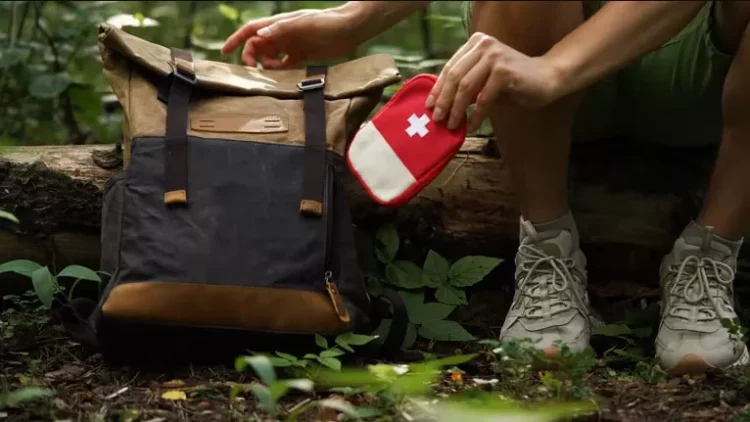
For years, camping first aid kits occupied a relatively invisible position within the outdoor retail sector. They were typically treated as low-cost accessories placed near checkout counters, bundled into seasonal promotions, or added as secondary items beside tents and backpacks. Most products in the category competed almost entirely on price, with little differentiation beyond the number of bandages or the size of the pouch.
That market dynamic is beginning to change.
Across North America and Europe, outdoor retailers are re-evaluating categories capable of delivering stronger margins, greater product exclusivity, and more resilient long-term demand. In that search, private label first aid supplies for camping are emerging as a surprisingly strategic opportunity. What was once considered a basic utility product is increasingly evolving into a branded outdoor safety solution shaped by preparedness culture, sustainability expectations, climate adaptation, and premium outdoor lifestyles.
This transition reflects a broader transformation taking place within the outdoor industry itself. Consumers are no longer purchasing camping products solely for recreation. Outdoor travel is increasingly associated with wellness, self-reliance, digital detox experiences, family bonding, and risk preparedness. As a result, even secondary product categories are being pulled into a larger lifestyle ecosystem where design, functionality, sustainability, and brand identity carry greater commercial value.
For retailers, importers, and buyers, this creates a category with unusual potential: relatively low development complexity, strong customization flexibility, and growing relevance in a market increasingly focused on preparedness and outdoor resilience.
Why the Category Is Expanding Beyond Traditional Outdoor Retail
The growing importance of camping first aid supplies cannot be understood simply through the lens of camping participation alone. The category’s momentum is being driven by several larger behavioral and economic shifts that are reshaping outdoor consumption patterns in developed Western markets.
One of the most important changes is the normalization of preparedness-oriented purchasing behavior. Since the pandemic years, consumers in Europe and North America have become significantly more conscious of personal safety, emergency readiness, and self-sufficiency during travel. This mindset has extended well beyond urban emergency kits and into recreational outdoor activities.
At the same time, climate volatility is influencing the nature of outdoor risk itself. Heatwaves across Southern Europe, wildfire concerns in North America, expanding tick populations in forest regions, and increasingly unpredictable weather conditions are changing what consumers expect from camping safety products. A basic bandage kit is no longer perceived as sufficient for many outdoor scenarios. Buyers are now looking for more comprehensive, specialized, and context-aware solutions.
This shift is commercially important because it increases the perceived value of the category. Products that were once viewed as commodity accessories are beginning to command premium positioning when they incorporate features related to climate adaptation, family safety, modular organization, or sustainable materials.
For retailers, that creates room for differentiation that is increasingly difficult to achieve in saturated outdoor gear categories.
Why Private Label Is Becoming Strategically Attractive
Retailers across the outdoor sector continue to face significant margin pressure in core equipment categories. Tents, portable furniture, backpacks, and cooking gear are heavily exposed to marketplace comparison pricing, especially through large e-commerce platforms. In many cases, even well-known outdoor brands are struggling to protect pricing integrity in highly transparent online retail environments.
Private label camping first aid kits offer a fundamentally different commercial structure.
Unlike technical outdoor equipment, first aid products allow retailers far greater flexibility in packaging, configuration, branding, and segmentation. The category is less dependent on patented technology and more dependent on how effectively products are positioned for specific use cases and consumer identities.
This distinction matters.
A retailer selling a generic national-brand emergency kit may compete almost entirely on price. A retailer selling a custom-designed family camping first aid kit with sustainable packaging, QR-based emergency guidance, refill modules, and child-focused organization is selling a differentiated branded product ecosystem.
That difference substantially changes the economics of the category.
Private label programs also reduce direct SKU comparability across online marketplaces. This has become increasingly important as retailers seek to avoid the margin erosion associated with identical products being sold across dozens of competing channels. Exclusive configurations, modular systems, and customized packaging create barriers to direct price comparison while strengthening brand identity at the same time.
In many ways, camping first aid products are beginning to evolve similarly to the travel accessory market several years ago. Categories once dominated by generic utility products gradually transformed into premium lifestyle segments where organization, aesthetics, portability, and personalization became major drivers of value perception.
The same evolution is now taking place in outdoor safety products.
The Emergence of Modular Outdoor Safety Systems
One of the most significant developments expected to shape the category in 2026 is the rise of modular first aid architecture.
Traditional emergency kits were typically designed around a one-size-fits-all model. However, modern outdoor consumers increasingly expect products tailored to specific travel styles, environments, and risk profiles. This is pushing retailers and OEM suppliers toward more flexible product ecosystems rather than static kit designs.
For buyers, modularity offers several strategic advantages.
From a merchandising perspective, modular systems increase opportunities for upselling and category expansion. A base camping first aid kit can be supplemented with additional modules designed for heat exposure, insect protection, remote travel, child safety, or pet care. Instead of selling a single product once, retailers create ongoing engagement through customizable add-ons and replenishment systems.
From an operational perspective, modularity can also reduce SKU redundancy. Rather than developing entirely separate kits for every outdoor segment, brands can standardize core components while customizing supplemental modules based on regional demand or customer demographics.
This model aligns particularly well with current consumer behavior in Europe and North America, where outdoor participation is becoming more fragmented and experience-driven. A family using a vehicle-access camping site has very different safety concerns from a solo overlanding traveler in remote terrain. Modular systems allow brands to address those differences without losing manufacturing efficiency.
The commercial potential of refill ecosystems is especially important. As retailers increasingly prioritize recurring revenue opportunities, refill packs for hydration support, insect treatment, wound care, or seasonal emergency supplies create long-term customer engagement beyond the initial purchase.
Sustainability Is Reshaping Procurement Standards
Sustainability expectations are becoming increasingly influential in private label sourcing decisions, particularly among European buyers.
In previous years, many outdoor emergency kits were heavily dependent on low-cost synthetic packaging, disposable plastic components, and oversized material usage. That approach is becoming less compatible with evolving ESG expectations across Western retail markets.
Today, many procurement teams evaluate camping first aid suppliers not only on cost and product range, but also on packaging waste, refillability, material sourcing transparency, and long-term sustainability alignment.
This transition mirrors changes already seen in adjacent sectors such as personal care, travel accessories, and food packaging. Consumers who increasingly expect recyclable or reusable solutions in daily products are beginning to apply the same expectations to outdoor equipment categories.
As a result, sustainable packaging is no longer merely a branding advantage. In some markets, it is becoming part of supplier qualification itself.
Retailers developing private label programs in 2026 are increasingly exploring:
- refillable soft-case systems,
- recyclable pouches,
- biodegradable wipe materials,
- FSC-certified packaging inserts,
- and reduced-plastic kit configurations.
The significance of this trend extends beyond environmental positioning. Sustainable design can also reinforce premium product perception. In higher-income outdoor consumer segments, minimalist reusable packaging often communicates quality more effectively than traditional low-cost emergency kit designs.
Smart Features Are Entering the Outdoor Safety Category
Another important shift shaping the future of camping first aid supplies is the integration of digital functionality into physical products.
While outdoor safety kits remain fundamentally practical products, younger outdoor consumers increasingly expect connected experiences that combine physical preparedness with digital accessibility.
This is creating new opportunities for private label differentiation.
Some retailers are beginning to explore QR-linked emergency guides, multilingual digital instructions, telehealth integration, and region-specific preparedness information embedded within product packaging. Others are experimenting with app-connected outdoor safety ecosystems that integrate emergency checklists, weather awareness, or supply replenishment reminders.
These developments may seem relatively minor today, but they reflect a larger transformation occurring across consumer products more broadly. Categories that were once purely functional are increasingly expected to deliver informational and digital value alongside physical utility.
For OEM manufacturers and private label buyers, this means product development conversations are becoming more sophisticated. Packaging design, user experience, instructional accessibility, and digital support tools are now becoming part of the competitive landscape.
Why OEM Selection Is Becoming More Strategic
As the category matures, supplier selection criteria are also evolving.
In the past, many buyers approached camping first aid kits primarily as sourcing exercises focused on cost efficiency and minimum order quantities. In 2026, the conversation is becoming far more strategic.
Retailers entering private label outdoor safety categories increasingly require suppliers capable of supporting:
- regulatory compliance across multiple markets,
- sustainable packaging adaptation,
- flexible product customization,
- multilingual labeling,
- scalable refill systems,
- and rapid category innovation.
This is especially important in Europe, where regulatory expectations surrounding medical-related products and packaging transparency continue to evolve.
At the same time, geopolitical uncertainty and supply chain diversification efforts are influencing sourcing strategies across the outdoor industry. Many buyers are placing greater emphasis on long-term supplier reliability, production visibility, and operational resilience rather than prioritizing lowest-cost sourcing alone.
For manufacturers, this represents both a challenge and an opportunity. Suppliers capable of functioning as product development partners rather than simple OEM factories are likely to become significantly more valuable in the years ahead.
The Future of the Category
The most important shift happening within camping first aid supplies is not simply product innovation. It is category repositioning.
Outdoor emergency kits are gradually moving away from their historical identity as low-cost utility accessories and becoming integrated into broader outdoor lifestyle branding strategies. They are increasingly connected to themes of preparedness, wellness, sustainability, mobility, and premium outdoor experience design.
This repositioning creates substantial opportunities for private label development.
For retailers and distributors operating in Europe and North America, the category offers several advantages simultaneously: strong customization potential, relatively accessible manufacturing entry points, growing consumer relevance, and opportunities for recurring revenue through replenishment systems and modular expansion.
More importantly, the category aligns closely with the direction in which outdoor consumer culture itself is moving. Preparedness is becoming normalized. Climate awareness is influencing purchasing behavior. Sustainability expectations are rising. Consumers increasingly value products that combine organization, safety, aesthetics, and digital convenience.
In that environment, camping first aid kits are no longer peripheral products.
They are becoming part of a larger outdoor preparedness ecosystem — one that is likely to play a much more commercially important role in outdoor retail strategy throughout 2026 and beyond.