
Organizations responsible for workforce safety increasingly recognize that traditional first aid kits may not adequately address life-threatening trauma incidents. In higher-risk environments—such as industrial worksites, transportation fleets, maritime operations, and security teams—rapid access to trauma care equipment can be critical during the first minutes following a severe injury.
For this reason, many institutions now deploy standardized tactical trauma kits across facilities, vehicles, and operational teams. Standardizing kit contents helps ensure that responders are familiar with the equipment available, training procedures remain consistent, and procurement teams can scale deployments efficiently.
This guide outlines the core components commonly included in professional tactical trauma kits and provides a practical checklist used by organizations planning large-scale deployment programs.
Why Organizations Standardize Tactical Trauma Kit Contents
Large organizations often deploy medical kits across multiple locations, vehicles, and operational teams. Without a standardized configuration, responders may encounter different equipment in different kits, creating confusion during emergencies.
Standardizing the contents of tactical trauma kits provides several operational benefits:
-
Consistent training procedures for staff and responders
-
Simplified procurement when sourcing equipment at scale
-
Predictable response capability across facilities and teams
-
Streamlined maintenance and restocking processes
-
Improved compliance with workplace safety frameworks
These advantages are especially important when organizations deploy hundreds or thousands of kits across multiple operational environments.
Many safety programs therefore adopt structured systems such as professional tactical trauma kits designed specifically for coordinated emergency response.
Core Trauma Response Priorities
Tactical trauma kits differ from general first aid kits in that they focus on life-threatening injuries rather than minor medical issues.
Professional trauma response protocols typically prioritize the following categories:
-
Massive hemorrhage control
-
Airway management
-
Breathing stabilization
-
Circulation and wound protection
-
Prevention of hypothermia
These priorities reflect the most common causes of preventable death in trauma incidents before advanced medical care becomes available.
The components included in tactical trauma kits are designed to address these critical needs quickly and effectively.
Standard Hemorrhage Control Equipment
Severe bleeding is one of the most urgent medical emergencies in trauma situations. Tactical trauma kits therefore emphasize equipment capable of rapidly controlling hemorrhage.
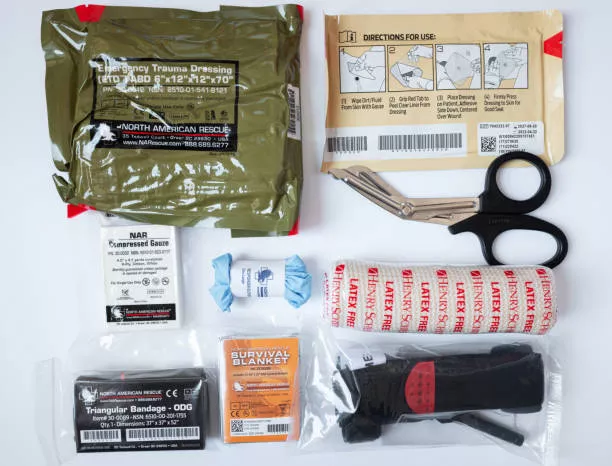
Common hemorrhage control supplies include:
Tourniquets
Tourniquets are used to stop severe bleeding from extremities by applying controlled pressure to major blood vessels.
Hemostatic gauze
Specialized gauze designed to assist blood clotting when packed into deep wounds.
Pressure bandages
Elastic or compression bandages used to maintain pressure over serious wounds.
Compressed gauze
Often used for wound packing and additional pressure support.
These components allow responders to stabilize severe bleeding while awaiting professional medical assistance.
Airway and Breathing Support Equipment
In some trauma incidents, maintaining an open airway or addressing chest injuries becomes a critical part of patient stabilization.
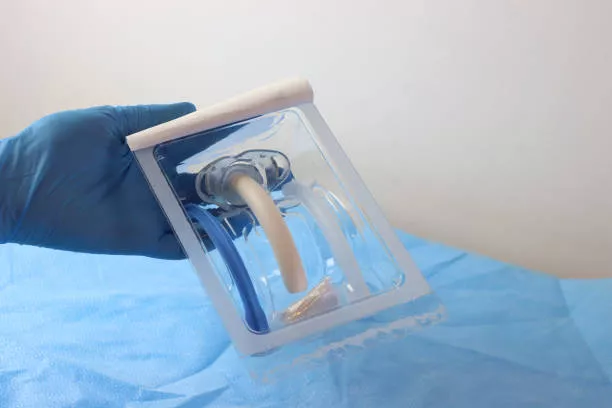
Tactical trauma kits may include equipment designed to support these needs, such as:
Airway adjunct devices
Tools that help maintain an open airway when a patient cannot maintain it independently.
Chest seals
Devices applied to penetrating chest wounds to prevent air from entering the chest cavity.
Rescue breathing barriers
Protective barriers used during assisted breathing or CPR.
The inclusion of airway and breathing equipment often depends on the training level of the personnel expected to use the kit.
Wound Stabilization and Medical Supplies
After immediate life-saving interventions are performed, responders may need to stabilize wounds and protect injuries from further contamination.
Common wound care supplies include:
-
Trauma dressings
-
Sterile gauze pads
-
Adhesive bandages
-
Medical tape
-
Antiseptic wipes
These items allow responders to manage a wide range of injuries following the initial stabilization phase.
Responder Protection and Access Tools
During trauma response situations, responders must protect themselves while also gaining rapid access to injuries.
Tactical trauma kits typically include protective and access tools such as:
Medical gloves
Disposable gloves protect responders from contamination and bodily fluids.
Trauma shears
Heavy-duty scissors used to quickly cut clothing, belts, or protective gear.
Protective masks or barriers
Used during assisted breathing procedures or when exposure risk is present.
Including these tools ensures responders can safely begin treatment without unnecessary delays.
Operational Support Equipment
Professional trauma kits often include additional equipment designed to assist responders in difficult conditions.
Examples include:
Emergency blankets
Used to help prevent hypothermia in trauma patients.
Marker pens
Allow responders to record treatment times or tourniquet application.
Flashlights or lighting tools
Assist responders in low-visibility environments.
Organized pouches or modular compartments
Ensure equipment can be located quickly during high-stress situations.
These operational support items improve the usability and effectiveness of trauma kits during emergencies.
Tactical Trauma Kit Checklist for Organizational Deployment
While exact configurations may vary depending on operational requirements, many organizations deploy kits with a standardized set of equipment categories.
A simplified tactical trauma kit checklist may include:
Hemorrhage Control
-
Tourniquet
-
Hemostatic gauze
-
Pressure bandage
-
Compressed gauze
Airway and Breathing
-
Airway adjunct device
-
Chest seal
-
Rescue breathing barrier
Wound Stabilization
-
Trauma dressing
-
Sterile gauze pads
-
Adhesive bandages
-
Medical tape
Responder Equipment
-
Medical gloves
-
Trauma shears
-
Protective mask
Operational Support
-
Emergency blanket
-
Marker pen
-
Flashlight or light source
Organizations may adapt this baseline checklist depending on their specific operational risks and responder training levels.
Considerations for Large-Scale Tactical Kit Deployment
When organizations deploy tactical trauma kits across facilities, fleets, or operational teams, several planning factors typically influence kit configuration and quantity.
These considerations may include:
-
Workforce size and distribution
-
Number of vehicles or operational units
-
Coverage requirements for large facilities
-
Response time of local emergency services
-
Training level of personnel expected to use the equipment
Standardized kit configurations simplify procurement processes and ensure each team has access to the same emergency response capability.
Training and Preparedness Integration
Equipment alone is not sufficient to ensure effective trauma response. Personnel must also be familiar with the equipment available and understand how to deploy it under stress.
Organizations conducting emergency preparedness programs often incorporate training tactical medical kits into their training environments. These systems allow instructors to simulate emergency scenarios while preserving operational equipment for real-world deployment.
Training integration helps reinforce:
-
equipment familiarity
-
response speed
-
coordination between responders
This approach ensures that trauma kits are not only available, but also used effectively when emergencies occur.
Frequently Asked Questions
What is included in a professional tactical trauma kit?
Professional tactical trauma kits typically focus on hemorrhage control, airway management, wound stabilization, and responder safety equipment. The exact contents may vary depending on operational requirements and training levels.
Are tactical trauma kits used outside military environments?
Yes. Many industries—including industrial operations, maritime services, security teams, and field operations—deploy trauma kits as part of workplace safety programs.
Why do organizations standardize trauma kit contents?
Standardization ensures that responders encounter the same equipment across multiple kits, making training more effective and simplifying procurement and maintenance processes.
How should organizations determine the number of kits required?
Deployment decisions are usually based on factors such as workforce size, operational risk levels, facility layout, and emergency response times.
Tactical Trauma Kits as Part of Safety Infrastructure
As organizations expand their safety programs, tactical trauma kits are increasingly viewed as part of broader emergency preparedness infrastructure.
By standardizing tactical first aid kit contents and integrating trauma response training, organizations can strengthen their ability to manage critical incidents during the crucial minutes before professional medical responders arrive.
For institutions operating in environments where injury risks are elevated, deploying structured trauma kits across vehicles, facilities, and operational teams helps ensure that responders are prepared to act quickly and effectively when emergencies occur.