Offshore & Maritime Emergency Medical System
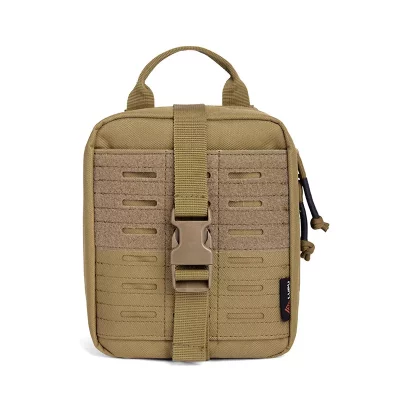
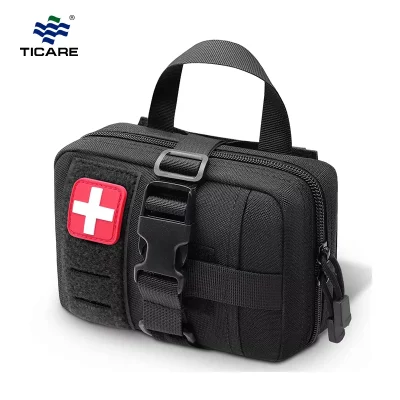
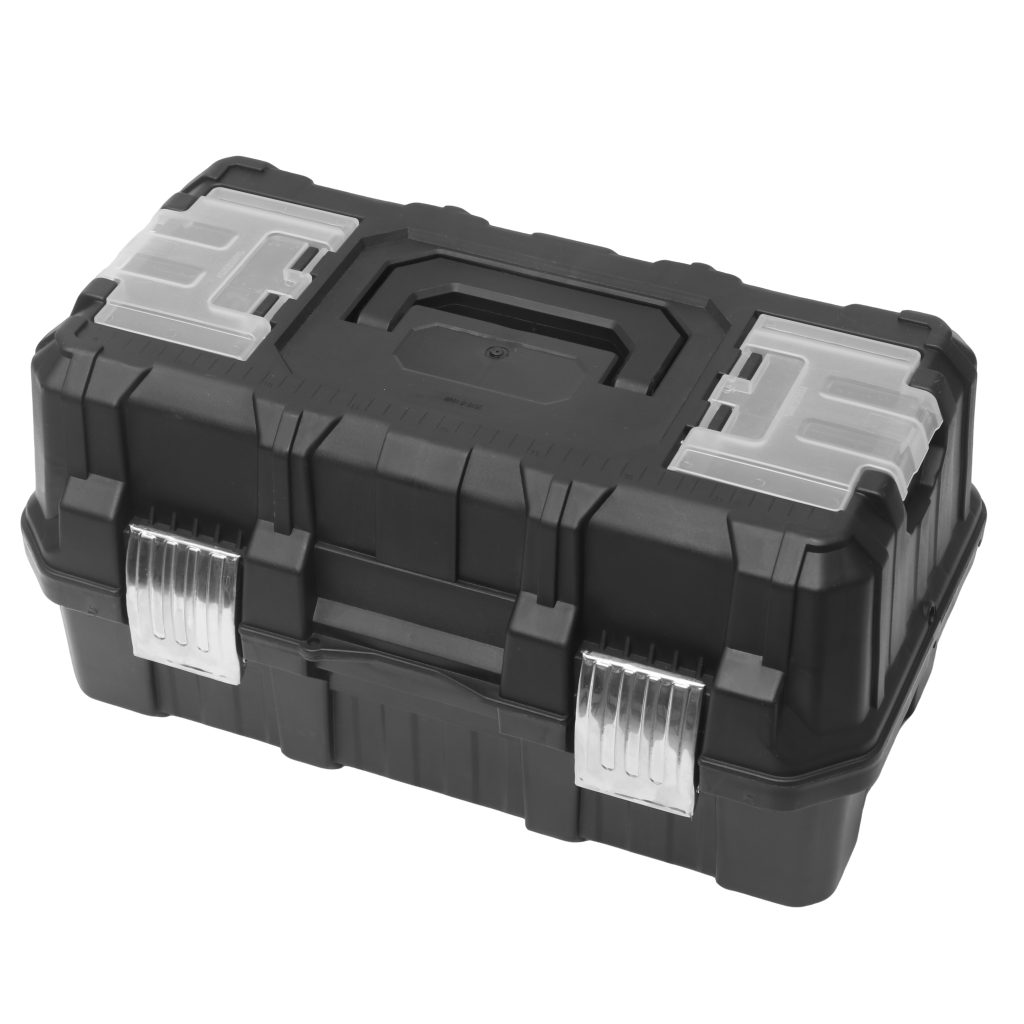
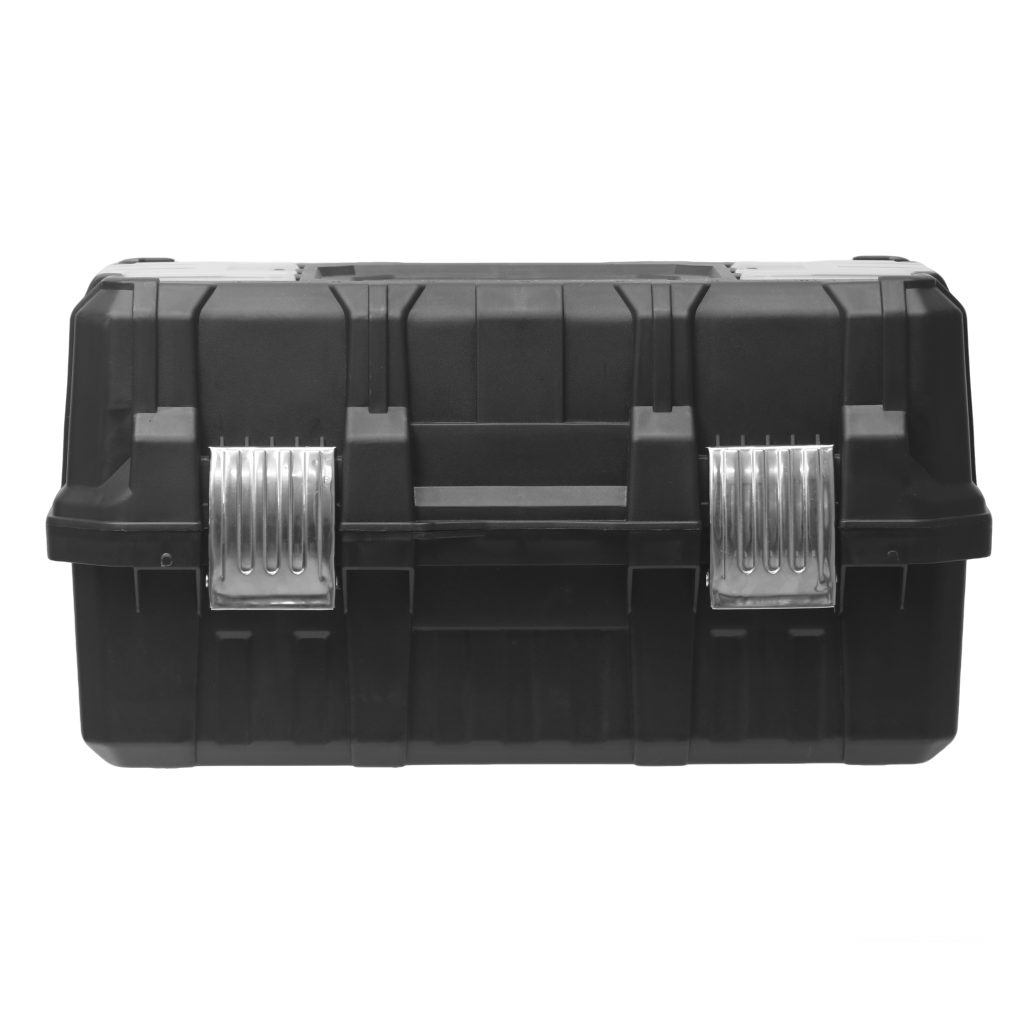
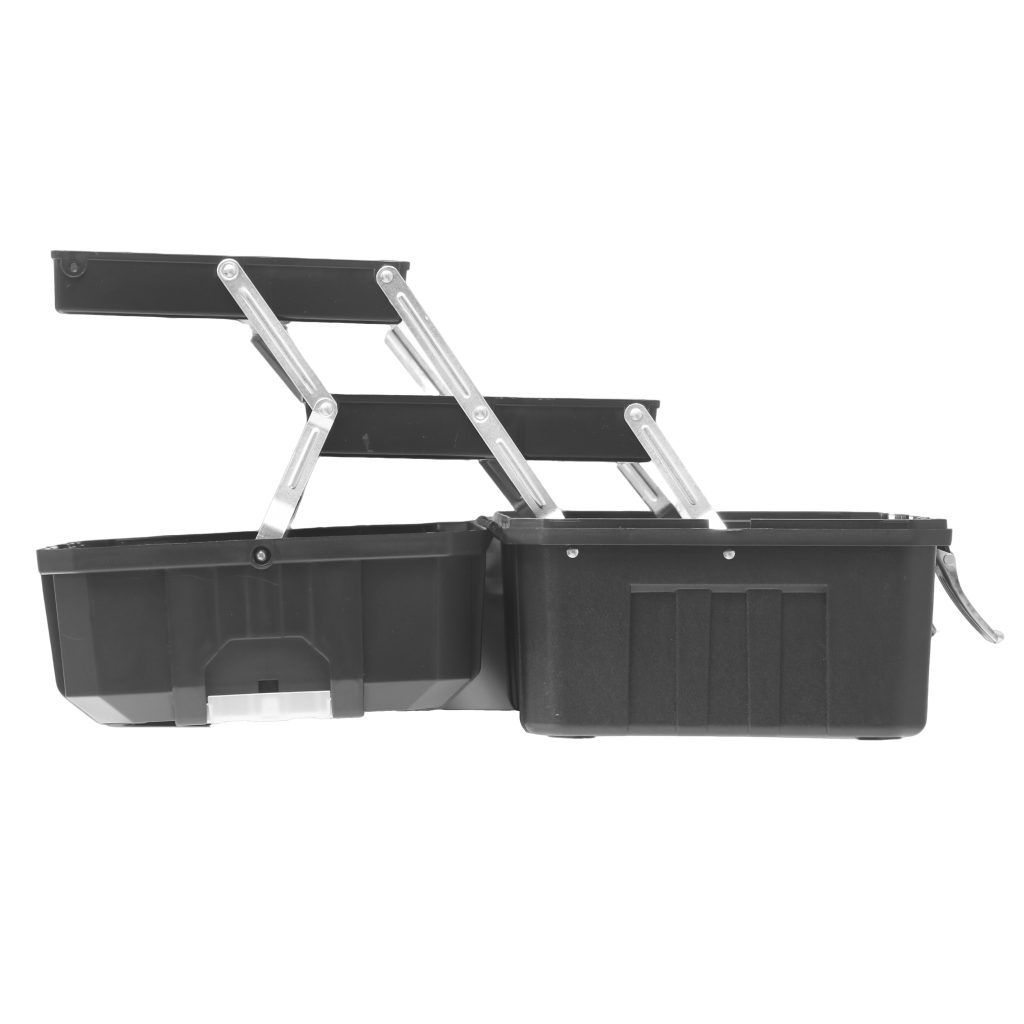
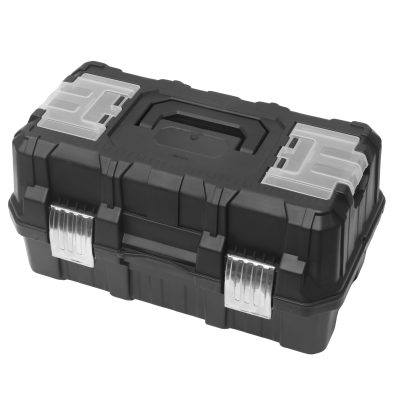
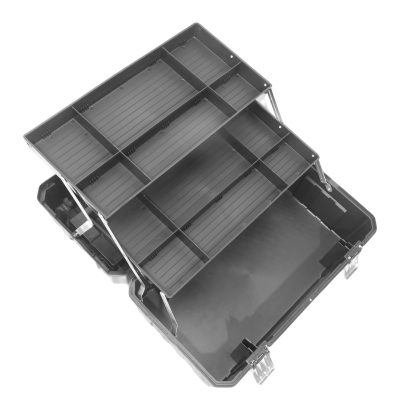
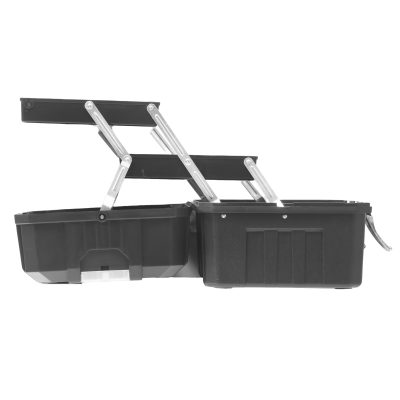
The Marine Tactical Trauma Kit is engineered for maritime and offshore environments where injury risk is elevated and emergency response times may be extended. Designed for vessels, offshore platforms, fishing operations, and marine sites, this system supports structured trauma stabilization in challenging saltwater conditions.
Built for durability, environmental resistance, and rapid hemorrhage control, it provides organized access to critical medical supplies during high-risk maritime incidents.
Designed for Maritime and Offshore Operations
Marine environments introduce unique hazards, including:
-
Slips and falls on wet surfaces
-
Equipment-related lacerations
-
Crush injuries from heavy gear
-
Rope and winch accidents
-
Corrosion exposure
-
Delayed access to shore-based emergency services
The Marine Tactical Trauma Kit addresses these elevated risks with a configuration adapted for offshore deployment.
Corrosion-Resistant & Weather-Ready Platform
Saltwater and humidity demand specialized construction.
This system features:
-
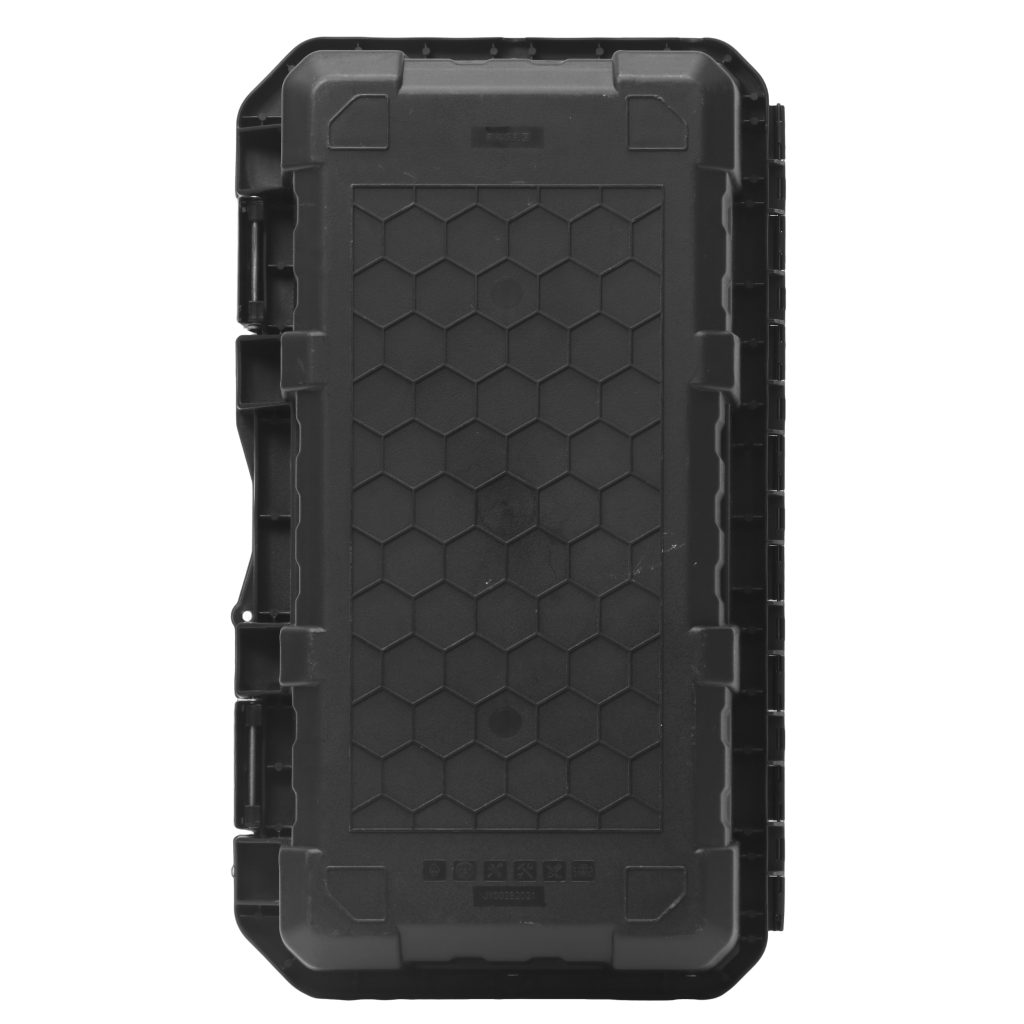
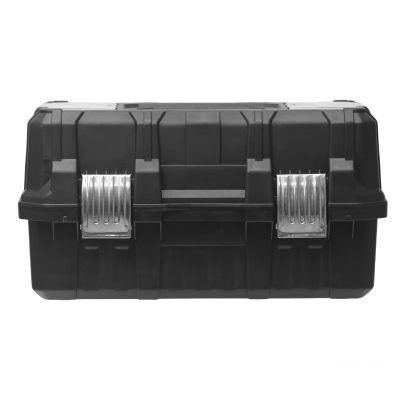
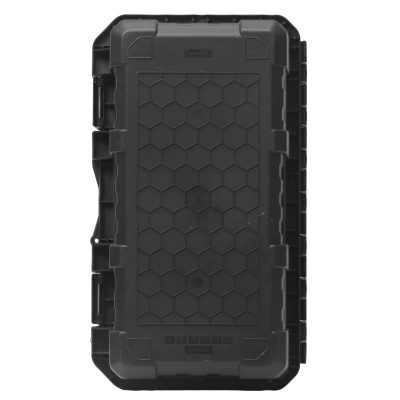
Water-resistant outer shell
-
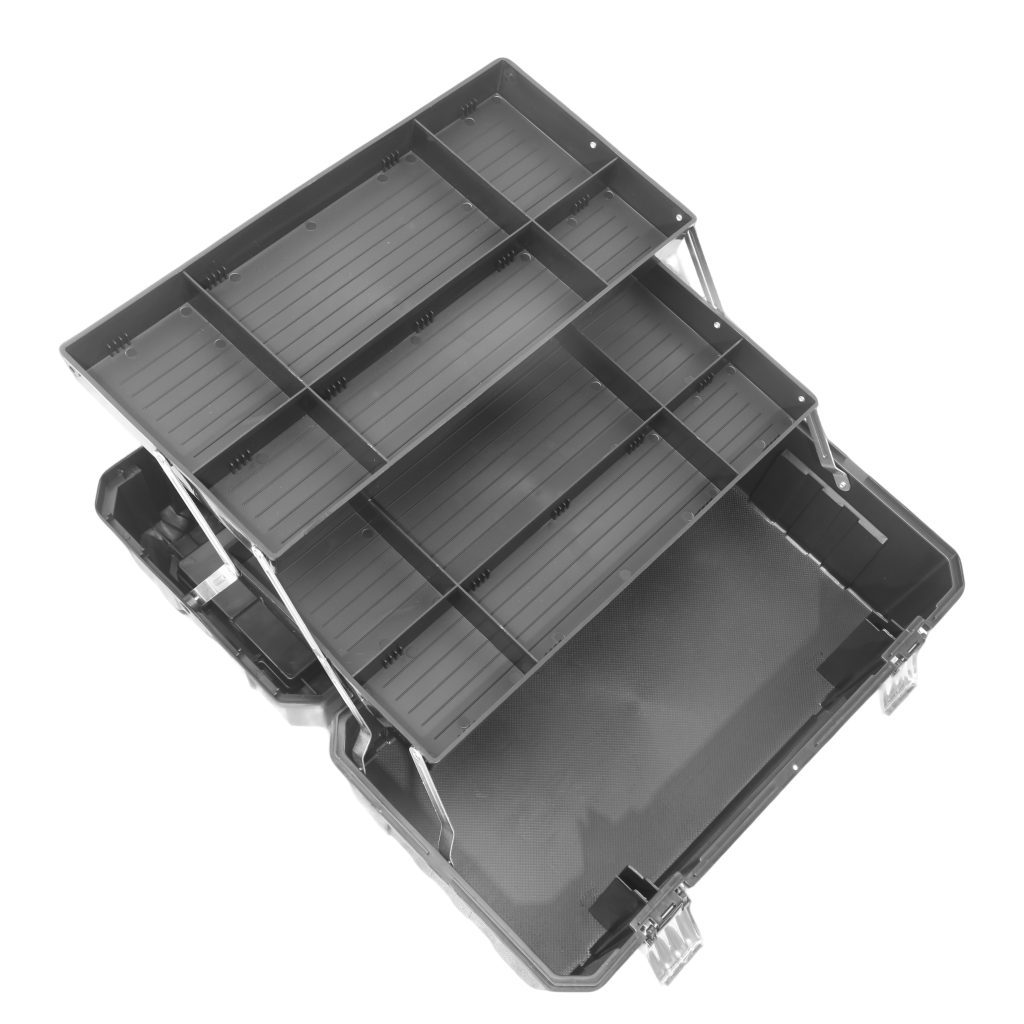
Sealed internal storage sections
-
Corrosion-resistant hardware components
-
Reinforced stitching and closures
-
Durable transport configuration for vessel storage
Built to withstand demanding maritime exposure.
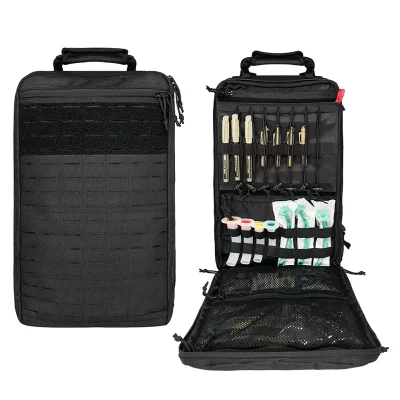
Trauma-Focused Medical Architecture
The kit is structured around rapid intervention priorities rather than basic first aid convenience.
Core Functional Capabilities
-
Immediate hemorrhage control access
-
Structured wound stabilization sections
-
Airway management preparation
-
Expanded dressing capacity
-
Protective gear for responder safety
All components are organized for high-visibility identification during unstable sea conditions.
Optimized for Vessel Staging
The Marine Tactical Trauma Kit can be:
-
Secured within wheelhouses or control cabins
-
Mounted in designated safety lockers
-
Stored in waterproof compartments
-
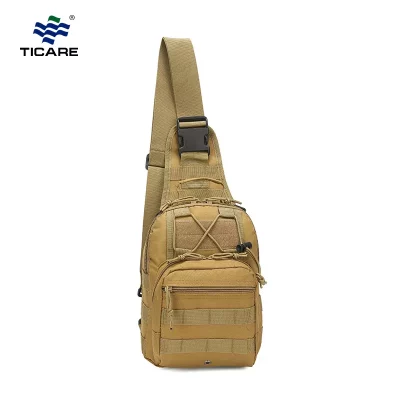
Carried directly to incident zones on deck
Compact enough for vessel integration while maintaining sufficient trauma capacity for serious injuries.
Suitable Deployment Environments
Designed for:
-
Commercial fishing vessels
-
Offshore drilling platforms
-
Cargo and transport ships
-
Marine operations
-
Harbor service providers
-
Rescue and patrol boats
-
Maritime security teams
Built for professional maritime safety programs where operational conditions exceed standard workplace environments.
Supports Extended Response Scenarios
Offshore incidents may require stabilization before evacuation or medical transfer.
This system supports:
-
Immediate bleeding control
-
Injury stabilization during transport
-
Multi-injury management in confined vessel spaces
-
Structured emergency response under adverse weather conditions
Preparedness is critical when shore-based emergency care is not immediately accessible.
Integration Within Tactical Medical Systems
Organizations operating across marine and land-based environments often deploy layered emergency preparedness systems.
The Marine Tactical Trauma Kit functions as an offshore-specific trauma platform within broader tactical first aid systems designed for high-risk operations.
It complements:
-
Individual carry kits for crew members
-
Dock-based response units
-
Centralized trauma systems
Providing consistent trauma capability across operational environments.
Procurement & Customization Options
Available for organizational procurement and maritime fleet deployment.
Configuration can be adjusted based on:
-
Vessel size
-
Crew count
-
Operational risk exposure
-
Industry compliance requirements
Bulk purchasing and labeling options are available for commercial operators and marine contractors.
Summary
The Marine Tactical Trauma Kit delivers structured trauma response capability tailored to maritime and offshore environments. Built for durability, corrosion resistance, and rapid medical access, it supports emergency stabilization in demanding sea conditions.
Designed for professional maritime safety programs, this system strengthens preparedness where operational risk and response limitations require elevated medical capability.