

Winter storms can arrive quickly and leave homes without electricity, heating, water, internet access, or safe transportation for hours or even days. Heavy snow, ice accumulation, freezing rain, and strong winds regularly cause widespread power outages during the coldest months of the year. Without proper preparation, families may face dangerous indoor temperatures, frozen pipes, food spoilage, communication failures, and serious medical risks.
Preparing your home before winter weather becomes severe is one of the most effective ways to protect your family, pets, and property. A complete winter emergency plan should include backup power solutions, emergency food and water supplies, first aid equipment, safe heating methods, communication plans, and vehicle preparedness.
This guide explains how to build a reliable winter emergency preparedness system that helps households stay safer during winter storms and extended power outages.
Table of Contents
- Why Winter Storm Preparedness Matters
- Essential Winter Emergency Supplies
- Winter Blackout Emergency Checklist
- Safe Heating During Winter Power Outages
- Food and Water Storage Guidelines
- First Aid and Medical Preparedness
- Winter Car Emergency Kit Checklist
- Preparing Pets for Winter Emergencies
- Create a Family Emergency Communication Plan
- Common Winter Storm Mistakes to Avoid
- Final Thoughts
Why Winter Storm Preparedness Matters
Winter power outages are more than simple inconveniences. During severe weather, homes can lose heat rapidly, especially in regions where temperatures fall below freezing. Prolonged outages may disrupt water systems, disable communication networks, damage property, and create dangerous living conditions for children, elderly individuals, and pets.
In many winter emergencies, roads become blocked and emergency response times slow dramatically. Grocery stores, gas stations, and pharmacies may temporarily close or experience supply shortages. Families that prepare in advance are usually far better equipped to remain safe and reduce stress during extended disruptions.
A complete winter preparedness plan helps households:
- maintain warmth and shelter,
- preserve food and water,
- manage medical needs,
- stay informed during outages,
- reduce property damage risks,
- improve overall emergency response.
The best time to prepare for winter storms is before weather alerts are issued.
Essential Winter Emergency Supplies
Every household should maintain a dedicated winter emergency kit stored in an easily accessible location. Ideally, emergency supplies should support all family members for at least 72 hours.
Water Storage
Clean water is one of the most important emergency supplies during winter outages. Families should store enough drinking water for all household members and pets. A commonly recommended minimum is one gallon of water per person per day.
Water should also be available for:
- cooking,
- sanitation,
- medication use,
- pet care,
- basic hygiene.
Store water in sealed food-grade containers protected from freezing temperatures.
Non-Perishable Food
Choose foods that:
- have long shelf lives,
- require little preparation,
- can be safely consumed during outages.
Examples include:
- canned soups,
- protein bars,
- peanut butter,
- nuts,
- dried fruit,
- shelf-stable milk,
- instant meals,
- electrolyte drinks.
Do not forget manual can openers and disposable utensils.
Emergency Lighting
Power outages often create dangerous indoor conditions at night. Every home should have multiple emergency lighting options available.
Recommended items:
- LED flashlights,
- battery lanterns,
- rechargeable lights,
- extra batteries,
- solar-powered lighting.
Candles should be used cautiously because they increase fire risk during emergencies.
Backup Power Sources
Portable power solutions can help maintain communication and support essential devices.
Useful options include:
- power banks,
- portable battery stations,
- solar chargers,
- generators used outdoors only.
During large winter outages, mobile networks sometimes become overloaded. Keeping several charged backup batteries may help maintain communication longer.
Emergency Radio
Battery-powered or hand-crank weather radios provide important updates when internet and mobile services become unreliable.
Winter Blackout Emergency Checklist
Power outages are among the most common and dangerous winter storm problems. Homes can lose heat quickly when electricity fails during freezing temperatures.
Charge Devices Before Storms
When severe weather warnings appear:
- fully charge phones,
- recharge power banks,
- prepare backup batteries,
- download offline emergency information if possible.
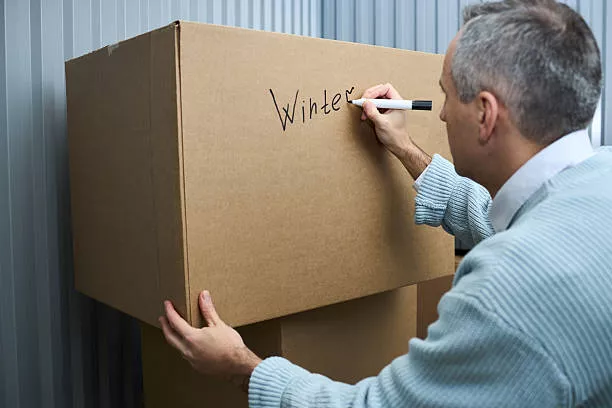
Prepare Warm Clothing and Blankets
Store emergency cold-weather supplies in one easy-to-access location:
- thermal blankets,
- insulated jackets,
- wool socks,
- gloves,
- winter boots,
- hats,
- layered clothing.
Organize Emergency Lighting Stations
Place flashlights and emergency lights in:
- bedrooms,
- kitchens,
- bathrooms,
- hallways,
- staircases.
This reduces fall and injury risks during nighttime outages.
Protect Pipes From Freezing
Frozen pipes can burst and create major water damage.
Helpful preventive measures:
- insulate exposed pipes,
- allow faucets to drip slowly,
- open cabinets near plumbing,
- seal drafts near pipes,
- maintain indoor warmth whenever possible.
Prepare for Extended Outages
Some winter storms can leave neighborhoods without power for several days.
Families should prepare:
- backup food supplies,
- emergency medications,
- extra batteries,
- pet supplies,
- alternative heating plans,
- fuel reserves if safely stored.
Safe Heating During Winter Power Outages
Heating safety becomes critically important during winter emergencies. Improper heating practices cause many preventable injuries and deaths every year.
Safe Temporary Heating Options
Possible emergency heating solutions may include:
- properly ventilated fireplaces,
- wood stoves,
- approved indoor-safe propane heaters.
Always follow manufacturer instructions carefully.
Carbon Monoxide Safety
Carbon monoxide poisoning risks increase significantly during power outages because people sometimes use unsafe fuel-burning equipment indoors.
Never use indoors:
- charcoal grills,
- outdoor generators,
- camping stoves,
- gasoline-powered heaters not designed for indoor use.
Install:
- carbon monoxide detectors,
- smoke alarms,
- backup batteries for alarms.
Heating Safety Mistakes to Avoid
Dangerous mistakes include:
- running generators in garages,
- heating homes with ovens,
- placing heaters near flammable materials,
- leaving fireplaces unattended,
- blocking ventilation.
Even partially enclosed spaces can allow dangerous carbon monoxide buildup.
Food and Water Storage Guidelines
Winter emergencies may interrupt transportation and store operations for days. Food and water planning helps reduce panic and improves resilience.
Water Planning
Store additional water for:
- pets,
- cooking,
- cleaning,
- emergency sanitation.
In extremely cold climates, avoid storing all water outdoors where containers may freeze.
Food Planning
Emergency foods should be easy to prepare during outages.
Recommended items:
- canned foods,
- freeze-dried meals,
- crackers,
- instant oatmeal,
- dried snacks,
- soup,
- ready-to-eat meals.
Families with babies, elderly individuals, or medical conditions should prepare specialized supplies in advance.
First Aid and Medical Preparedness
Medical emergencies may become more difficult during winter storms because emergency response systems can experience delays.
A reliable first aid kit is an important part of any winter emergency plan.
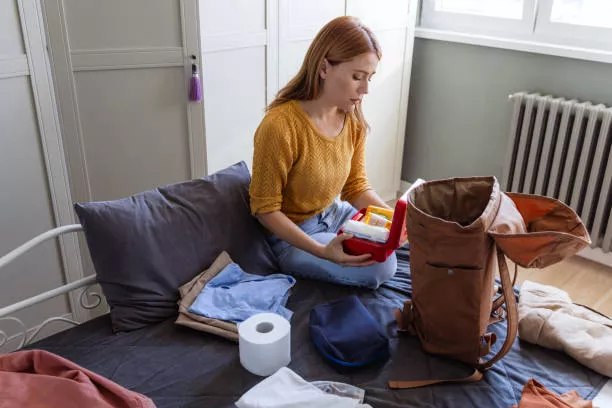
Recommended First Aid Supplies
A winter emergency first aid kit should include:
- adhesive bandages,
- sterile gauze,
- antiseptic wipes,
- medical tape,
- scissors,
- disposable gloves,
- emergency blankets,
- pain relievers,
- burn dressings,
- cold packs,
- prescription medications.
Households with medical conditions should prepare extra medications whenever possible.
Hypothermia Awareness
Prolonged exposure to cold temperatures may cause hypothermia.
Warning signs include:
- shivering,
- confusion,
- fatigue,
- slurred speech,
- poor coordination.
Young children and elderly individuals are especially vulnerable during winter outages.
Winter Car Emergency Kit Checklist
Vehicles can become dangerous during snowstorms, icy roads, or highway closures. Drivers should always prepare vehicles for winter emergencies.
A winter car emergency kit may include:
- flashlight,
- jumper cables,
- blankets,
- water,
- snacks,
- first aid supplies,
- phone charger,
- tow strap,
- windshield scraper,
- reflective warning triangle,
- gloves and hats.
Drivers should also:
- maintain fuel levels above half a tank,
- monitor tire conditions,
- check battery performance before winter travel.
Avoid unnecessary driving during severe weather warnings.
Preparing Pets for Winter Emergencies
Pets also require emergency preparation during winter storms and power outages.
Emergency pet supplies should include:
- pet food,
- clean water,
- medications,
- blankets,
- leashes,
- carriers,
- vaccination records.
Small animals, older pets, and short-haired breeds may become vulnerable to cold temperatures quickly during extended outages.
Create a Family Emergency Communication Plan
Communication systems may become unreliable during large-scale winter emergencies.
Families should:
- establish emergency contact plans,
- choose meeting locations,
- store important phone numbers,
- discuss evacuation procedures,
- prepare backup charging methods.
Children should understand:
- emergency contact information,
- basic safety rules,
- how to respond if separated from family members.
Clear planning helps reduce confusion during stressful situations.
Common Winter Storm Mistakes to Avoid
Many winter emergencies become worse because of preventable mistakes.
Common problems include:
- waiting too long to prepare,
- failing to store enough water,
- ignoring weather alerts,
- driving unnecessarily during storms,
- using generators indoors,
- forgetting pet supplies,
- not preparing medications,
- relying entirely on candles for lighting.
Preparation improves both safety and peace of mind during severe weather events.
Final Thoughts
Winter storms and power outages can disrupt homes, transportation, communication, and medical access with little warning. Building a complete emergency preparedness plan before severe weather arrives helps families remain safer and more self-sufficient during difficult conditions.
A strong winter preparedness strategy should include:
- emergency food and water,
- backup lighting and power,
- first aid supplies,
- safe heating solutions,
- vehicle preparedness,
- family communication planning.
Review emergency supplies regularly, replace outdated items, and adjust your emergency plan based on your household’s changing needs.
Preparing early is one of the most effective ways to reduce risks during winter storms and extended power outages.
Frequently Asked Questions
How long should emergency food last during winter outages?
Most emergency preparedness experts recommend storing enough food to support your household for at least 72 hours during winter power outages. However, in areas that experience severe snowstorms, ice storms, or prolonged infrastructure disruptions, maintaining a one- to two-week emergency food supply is often safer.
Emergency foods should:
– have long shelf lives,
– require minimal cooking,
– be easy to store,
– provide sufficient calories and nutrition.
Examples include canned meals, dried foods, protein bars, shelf-stable milk, peanut butter, instant soups, and freeze-dried emergency meals.
Families with babies, elderly individuals, or medical conditions should prepare additional specialized food supplies when possible.
How much water should families store?
A common emergency preparedness recommendation is to store at least one gallon of water per person per day. This water supports drinking, basic sanitation, food preparation, and medical needs.
During winter emergencies, families should also prepare additional water for:
– pets,
– cooking,
– medications,
– hygiene,
– emergency cleaning.
In regions with severe freezing temperatures, water should be stored indoors or in protected areas to prevent containers from freezing.
Are portable generators safe indoors?
No. Portable generators should never be operated indoors or in enclosed spaces such as garages, basements, sheds, or near open windows and doors.
Generators produce carbon monoxide, a dangerous and potentially deadly gas that cannot be seen or smelled. Even partially enclosed areas can allow carbon monoxide to accumulate quickly.
Generators should only be used:
– outdoors,
– in well-ventilated areas,
– far away from doors, vents, and windows.
Homes should also maintain working carbon monoxide detectors with backup batteries during winter storm season.
What medical supplies are most important during snowstorms?
Winter storm first aid kits should contain supplies that help manage injuries, cold exposure, and delayed access to emergency services.
Important medical supplies include:
– adhesive bandages,
– sterile gauze,
– antiseptic wipes,
– medical tape,
– disposable gloves,
– pain relievers,
– emergency blankets,
– burn dressings,
– prescription medications,
– cold packs,
– scissors and tweezers.
Households with elderly individuals, children, or chronic medical conditions should prepare additional medications and specialized medical equipment before severe weather arrives.