
Why Winter Blackouts Are More Dangerous Than Summer Ones
Winter power outages are more than an inconvenience—they can quickly become life-threatening.
When the temperature drops below freezing, losing electricity may mean:
-
- No heating
- No indoor lighting
- Loss of refrigeration
- Communication failure
- Limited mobility due to snow or storm damage
- Water systems freezing or shutting down
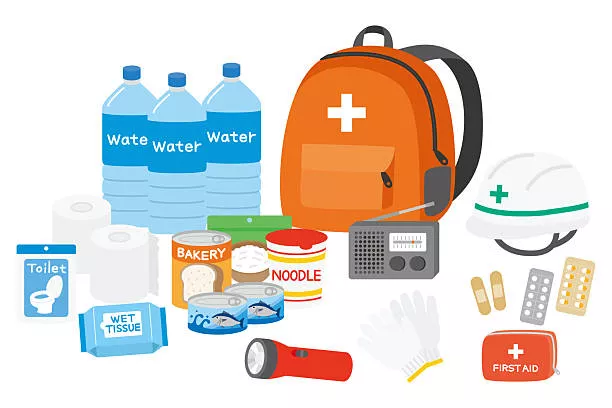
That’s why every household should have a winter blackout emergency kit ready before storms strike.
What Should a Winter Blackout Emergency Kit Include?
Here is a complete checklist broken down by survival priorities: heat, light, first aid, power, water, and communication.
1. Emergency Heating Supplies
In extremely cold environments, maintaining body temperature becomes priority #1.
Your kit should include:
-
- Mylar emergency thermal blankets
- Sleeping bags or insulated bedding
- Body warming pads
- Portable (indoor safe) emergency heaters
- Hand warmers
- Heat-reflective tarps or ponchos
If using fuel or flame-based heaters:
✔ Ensure proper ventilation
✔ Keep fire extinguishers accessible
✔ Never leave unattended
2. Lighting for Power Loss
A winter evening blackout can leave the entire house unsafe to navigate.
Recommended lighting:
-
- LED flashlights
- Headlamps
- Portable LED lanterns
- Solar-powered lamps
- Glow sticks for quick area marking
Avoid relying on candles—they increase the risk of fire in emergency conditions.
3. First Aid and Medical Supplies
Cold weather emergencies often involve:
-
- Falls on icy surfaces
- Frostbite
- Hypothermia
- Burns from heating units
- Dehydration headaches
A winter blackout emergency kit should include:
-
- Bandages and dressings
- Burn gel
- Cold-specific medical items (blister cushions, sterile wipes, etc.)
- Pain relievers
- Emergency CPR face shield
- Instant cold packs
- First aid manual or quick guide
For professional buyers (e.g., EMS, fire departments, civil defense), a full refillable kit is recommended.
4. Backup Power & Charging
Without power, communication and navigation devices become useless.
Include:
-
- Power banks
- Solar chargers
- Hand-crank powered chargers
- USB-light adapters
- Spare batteries
Always fully charge devices before severe weather hits.
5. Water and Purification
Even in winter, water supply can fail due to:
-
- Frozen pipes
- Pump failure
- Municipal treatment outages
Store:
-
- 1 gallon per person per day
- 3–7 days minimum supply
- Water purification tablets
- Collapsible storage containers
This prevents emergency dehydration—a risk increased by high indoor heating.
6. Emergency Food
Store food that:
-
- Requires little or no cooking
- Can be eaten without electricity
- Provides high calories for cold conditions
Examples:
-
- Emergency ration bars
- Shelf-stable canned food
- Trail mix
- Instant oats
- High-protein energy snacks
- Freeze-dried meals (with water)
Include a manual can opener, too—many people forget!
7. Communication & Navigation
During major winter storms, mobile towers can go down.
Add to your kit:
-
- Hand-crank or battery-powered NOAA weather radio
- Printed emergency contact list
- Maps of your local area
- Whistles for signaling
This keeps your household informed even without data or power.
8. Include Supplies for Pets
Pets need:
-
- Extra food
- Water
- Blankets
- Paw protection
- Medications
Stress and cold significantly increase their calorie and water needs.
Where Should You Store the Kit?
A winter blackout emergency kit should be stored in:
✔ A central area of the home
✔ Away from exterior walls
✔ Accessible without electricity
✔ Visible to all family members
Many households keep it:
-
- In the hallway
- Near the living room
- Inside a climate-stable storage closet
Avoid garages or sheds, where freezing can damage items.
⭐ TICAREFAK Winter Blackout Emergency Kit – For Retail, Bulk, and OEM Orders
TICAREFAK manufactures complete winter emergency kits designed for:
-
- Home use
- Retail stores
- Government procurement
- NGO disaster relief
- Workplace safety programs
- OEM customized branding
Available features include:
-
- First aid supplies
- Emergency heating
- LED lighting
- Water purification
- Power backup
- Rugged, weather-resistant storage
📌 Custom printing, material changes, and OEM manufacturing available on request.
Wholesale pricing delivered within 24 hours.