

Kelly Jojo
TICAREFAK Medical Advisor
15+ Years in Medical Device Manufacturing and Supply Experience
The global market for the IFAK Personal Tactical First Aid Kit has undergone a remarkable transformation in recent years. Once viewed as specialized equipment designed primarily for military personnel and emergency responders, tactical medical kits have evolved into essential preparedness tools for law enforcement agencies, industrial safety teams, outdoor organizations, security contractors, and commercial buyers. As awareness of emergency readiness continues to rise, businesses are actively seeking dependable solutions capable of delivering rapid medical response in high-pressure environments.
This surge in demand has created significant opportunities. Yet it has also introduced a new challenge: selecting the right tactical first aid kit supplier in an increasingly competitive marketplace. At first glance, many suppliers may appear similar. Product images look polished. Specifications seem comparable. Promises of quality and fast delivery are abundant. However, beneath the surface, differences in manufacturing standards, certification compliance, customization capabilities, and supply chain reliability can dramatically influence purchasing outcomes.
Procurement decisions extend far beyond comparing product catalogs. A tactical medical kit is not merely another inventory item. It is equipment intended to perform when circumstances become unpredictable and every second matters. The margin for error is exceptionally small.
Growing demand for custom IFAK kits has reshaped sourcing priorities. Buyers increasingly require tailored configurations, private labeling options, specialized packaging, and market-specific product designs. Understanding these considerations is becoming a critical part of long-term sourcing strategy.
Understanding the IFAK Personal Tactical First Aid Kit Market
Rising awareness of emergency preparedness, expanding safety regulations, and increasing demand from professional sectors have transformed tactical medical products from niche equipment into essential operational assets. Today, organizations are no longer purchasing medical kits solely for compliance purposes. They are investing in readiness, risk reduction, and rapid-response capabilities. As a result, every tactical medical kit supplier entering this space faces a marketplace shaped by higher expectations, stricter standards, and increasingly specialized buyer requirements.
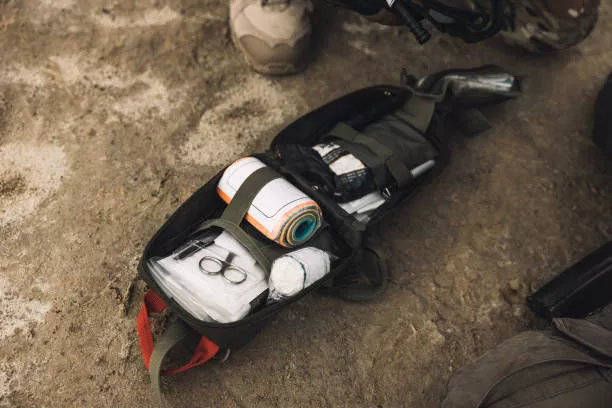
What Is an IFAK Personal Tactical First Aid Kit
An Individual First Aid Kit, commonly known as an IFAK, is a compact and mission-oriented medical package designed to provide immediate treatment during emergencies. Unlike a general-purpose first aid kit, an IFAK focuses on managing severe injuries that require fast intervention. It often serves as a personal emergency medical kit equipped with supplies intended to address trauma situations before professional medical assistance arrives.
Typical configurations may include tourniquets, trauma bandages, chest seals, hemostatic dressings, gloves, and emergency tools. Portability matters. Accessibility matters even more. The purpose is simple: keep life-saving supplies within immediate reach when seconds become critically important.
Key Applications Across Tactical and Emergency Scenarios
The practical use of tactical medical equipment extends far beyond military environments. Modern organizations increasingly deploy IFAK solutions across a wide range of operational settings where injuries may occur unexpectedly and response time can determine outcomes.
Common applications include:
- Military and defense field operations
- Law enforcement patrol units
- Fire and rescue teams
- Security and tactical response personnel
- Industrial worksites and remote operations
- Outdoor adventure and survival activities
- Vehicle emergency preparedness systems
In many environments, a tactical trauma kit functions as a first line of medical support before advanced treatment becomes available. Preparedness is no longer confined to specialized professions. It is becoming part of broader organizational safety planning.
Growing Demand Trends in the Tactical Medical Industry
Several market forces are accelerating growth across the tactical medical sector. Public awareness regarding emergency response capabilities has increased significantly, while workplace safety initiatives continue expanding across industries. Organizations now recognize that proactive preparedness often carries measurable operational value.
Technological innovation also contributes to market expansion. Medical components have become lighter, more modular, and easier to customize. Buyers increasingly seek kits designed for specific environments rather than standardized solutions. Compact form factors and adaptable storage systems are gaining attention.
Another notable trend is the rapid growth of private labeling and OEM manufacturing. Businesses want differentiated products that align with their branding and customer expectations. This shift creates opportunities for suppliers capable of offering flexibility alongside dependable production capabilities.
Main Buyer Segments in the Global Market
The tactical medical industry serves a broad spectrum of commercial and institutional buyers, each with distinct operational priorities. Procurement decisions often vary according to deployment environment, regulatory requirements, and user demographics.
Major buyer segments include:
Government and defense agencies
Focused on mission durability, compliance standards, and field-tested reliability.
Law enforcement and security organizations
Seeking rapid-access designs and operational mobility.
Industrial and corporate safety departments
Prioritizing workplace preparedness and employee protection.
Outdoor and emergency preparedness brands
Looking for scalable sourcing and differentiated product offerings.
Medical distributors and wholesalers
Searching for competitive pricing, OEM support, and long-term supply partnerships.
As the market continues expanding, supplier selection increasingly depends on specialization rather than volume alone. Buyers now expect more than products. They seek expertise, adaptability, and long-term strategic value.
Core Components of an IFAK Personal Tactical First Aid Kit
A well-designed IFAK Personal Tactical First Aid Kit is defined by precision, not excess. Every item serves a critical function in stabilizing trauma before advanced medical care is available. Modern kits are built around standardized IFAK components that prioritize speed, accessibility, and reliability in high-stress environments. Within professional procurement, buyers evaluate trauma care supplies not as accessories, but as life-preserving essentials designed for rapid deployment in emergency situations.
Trauma Essentials
Trauma essentials form the foundation of any tactical medical kit. These core items are selected to address life-threatening injuries in the first critical minutes. They typically include gloves, compact shears, and immediate-access tools designed for quick intervention. In any IFAK Personal Tactical First Aid Kit, these elements establish the baseline readiness required for field emergencies.
Bleeding Control Equipment
Bleeding control is the most urgent priority in trauma response. Equipment such as a tourniquet and trauma bandage plays a decisive role in preventing severe blood loss. Alongside hemostatic agents, these tools are engineered for rapid application under pressure. Effective emergency bleeding control solutions must be intuitive, durable, and accessible even in low-visibility conditions.
Airway Components
Airway management components ensure that breathing remains unobstructed during critical incidents. These items are compact but essential, designed to support basic respiratory function when immediate evacuation is not possible. In tactical environments, simplicity and reliability define their effectiveness.
Dressings and Medical Supplies
Dressings and sterile supplies provide protection against contamination and support wound stabilization. Gauze pads, adhesive bandages, and compression wraps are commonly included. Though lightweight, these materials play a crucial role in reducing infection risk and maintaining wound integrity until professional treatment is available.
Optional Tactical Modules
Advanced configurations may include modular additions tailored to specific operational needs. These optional elements enhance adaptability and mission-specific readiness. Depending on deployment requirements, kits may incorporate specialized trauma care supplies, hydration aids, or environmental protection tools to extend functionality beyond standard configurations.
Types of IFAK Personal Tactical First Aid Kit Configurations
The IFAK Personal Tactical First Aid Kit is not a one-size-fits-all solution. Its true value lies in adaptability. Across industries and operational environments, configurations vary significantly to match risk levels, user training, and mission demands. From battlefield readiness to corporate safety programs, modern suppliers increasingly design modular systems that function as both a tactical trauma kit and a scalable emergency response platform. The rise of custom IFAK kits has further expanded how organizations define preparedness.
Military Style Kits
Military configurations are built for extreme conditions where rapid trauma intervention is critical. These kits prioritize durability, compact structure, and immediate accessibility under stress. Every component is selected for field reliability, ensuring performance in harsh environments. Reinforced packaging, quick-release systems, and mission-specific layout design make these kits essential for defense operations where failure is not an option.
Law Enforcement Kits
Law enforcement kits are engineered for mobility and fast response in unpredictable scenarios. Officers require lightweight configurations that integrate seamlessly with duty gear. These kits often emphasize emergency bleeding control tools and rapid-access positioning. Designed for urban and high-risk environments, they balance portability with the ability to address traumatic injuries during active incidents.
Outdoor Survival Kits
Outdoor survival configurations cater to adventurers, rescue teams, and remote operators. These kits combine trauma care essentials with environmental protection elements. Exposure to unpredictable terrain requires broader readiness. Compact yet comprehensive, they support both injury management and extended field survival where immediate medical assistance is not available.
Vehicle and Deployment Kits
Vehicle-based kits serve as mobile emergency stations. Positioned in cars, trucks, or tactical units, they provide immediate access during transit-related incidents. These configurations often include expanded storage for critical supplies and are designed for stability under movement. Their purpose is simple: ensure life-saving tools are always within reach, regardless of location.
Customized Corporate Kits
Corporate configurations reflect the growing demand for tailored safety solutions in industrial and commercial settings. These kits are often developed through OEM partnerships, allowing organizations to integrate branding, specific risk-based components, and scalable packaging. Custom IFAK kits in this category support workplace safety compliance while aligning with operational needs, making them a strategic asset in modern risk management systems.
Key Factors to Evaluate Before Selecting a Supplier
Choosing a reliable IFAK Personal Tactical First Aid Kit supplier requires more than comparing catalogs or unit prices. Procurement teams must evaluate operational depth, production integrity, and long-term consistency.
Production Scale
Production scale is a direct indicator of a supplier’s ability to meet demand consistently. A mature manufacturing setup ensures stability during peak order cycles and large institutional contracts. High-capacity facilities typically integrate automated assembly lines with skilled manual processes, balancing efficiency with precision. This combination allows manufacturers to maintain output without compromising product integrity.
Quality Control
Quality control defines the trustworthiness of every unit produced. A reliable supplier implements multi-stage inspection systems covering raw materials, assembly processes, and final packaging. Consistency is key. Each kit must meet identical performance expectations, regardless of batch size. Advanced testing protocols ensure that IFAK components function correctly under pressure, particularly in emergency scenarios involving trauma care supplies.
Compliance Standards
Compliance is a non-negotiable factor in tactical medical procurement. International certifications such as ISO, CE, and FDA registration demonstrate adherence to recognized safety and manufacturing standards. These benchmarks confirm that products meet regulatory expectations across different markets. A compliant tactical medical equipment supplier also ensures traceability of materials and documented production processes.
Packaging and Durability
Packaging is more than presentation—it is protection. Tactical environments demand rugged, impact-resistant materials that preserve kit integrity under stress. Durable packaging ensures that components remain sterile, organized, and ready for immediate use. Moisture resistance, reinforced stitching, and modular compartment design contribute to long-term usability. For field deployment, packaging must withstand pressure, movement, and environmental exposure without degrading performance. A well-designed system enhances usability while extending product lifecycle.
Lead Time Reliability
Reliable lead time performance is essential for maintaining operational continuity. Even the most advanced supplier becomes ineffective if delivery schedules are inconsistent. For bulk procurement, delays can disrupt entire supply chains. Consistency in lead time reflects not only operational maturity but also supplier accountability.
Essential Certifications and Industry Standards
Certifications are not optional details, they are foundational indicators of safety, reliability, and manufacturing discipline. A credible tactical medical equipment supplier must operate within internationally recognized regulatory frameworks that validate both product integrity and production consistency.
FDA registered status demonstrates adherence to strict U.S. medical device requirements, ensuring that materials and assembly processes meet controlled safety benchmarks. ISO certified manufacturing reflects standardized quality management systems, where every stage of production is documented, monitored, and continuously improved. CE compliant marking confirms that products meet European health, safety, and environmental protection standards, enabling cross-border trade with confidence.
Together, these certifications establish a trusted baseline for global buyers. They reduce procurement risk, ensure regulatory alignment, and reinforce confidence in product performance. In a market where emergency readiness depends on precision, compliance is the silent guarantee behind every reliable tactical medical solution.
Private Label and OEM Opportunities
The global demand for the first aid kit has created a strong shift toward customization and brand differentiation. No longer limited to standardized solutions. Instead, they are leveraging partnerships with an OEM first aid kit manufacturer to develop scalable, branded, and market-specific products. This transition has elevated the importance of private label first aid kit solutions and expanded opportunities for companies seeking to build long-term value through custom IFAK kits. In today’s competitive landscape, branding and product flexibility are as important as medical functionality.
Branding Advantages
Private labeling allows companies to establish a distinct identity in a crowded marketplace. Instead of selling generic tactical medical products, businesses can position themselves as trusted solution providers. A branded IFAK Personal Tactical First Aid Kit enhances recognition and reinforces credibility among end users. Logos, color schemes, and product naming conventions all contribute to stronger brand recall. Over time, this differentiation builds customer loyalty and strengthens positioning in both commercial and institutional markets. Branding transforms a standard product into a strategic asset.
Packaging Options
Packaging plays a crucial role in perceived value and operational usability. OEM suppliers now offer a wide range of customizable packaging formats, including MOLLE-compatible pouches, waterproof cases, and compact tactical sleeves. These options allow buyers to align product presentation with their target environment, whether it is military deployment, industrial safety, or outdoor survival. Thoughtfully designed packaging not only improves accessibility but also enhances durability in demanding conditions. In many cases, packaging becomes a key selling point that directly influences purchasing decisions.
Custom Configurations
Customization extends far beyond aesthetics. With custom IFAK kits, buyers can tailor internal components based on specific risk profiles and operational requirements. This may include advanced emergency bleeding control tools, specialized trauma care supplies, or region-specific medical standards. A flexible OEM first aid kit manufacturer enables full control over kit composition, ensuring that each configuration matches its intended use case. This adaptability is particularly valuable for organizations operating across diverse environments where a single standardized kit would be insufficient.
MOQ Considerations
Minimum order quantity is a critical factor in OEM procurement strategy. While larger MOQs often reduce per-unit costs, they require careful demand forecasting and inventory planning. TICAREFAK offers scalable MOQ structures to accommodate both emerging brands and established distributors. Balancing cost efficiency with operational flexibility is essential when sourcing private label first aid kit solutions. A well-structured MOQ agreement ensures sustainable growth without overextending inventory risk, making it a key consideration in long-term supplier partnerships.
Common Mistakes Buyers Make When Choosing Suppliers
Selecting a reliable tactical medical supplier requires precision, yet many buyers still fall into avoidable traps during supplier evaluation. The most common mistake is prioritizing price over capability. A lower unit cost may look attractive at first glance, but it often hides compromises in materials, assembly standards, or consistency across batches. In tactical environments, these weaknesses become critical failures.
Another frequent error is overlooking certification and compliance documentation. Without verified standards such as ISO or CE, there is no reliable benchmark for product safety or manufacturing discipline. Buyers who skip this step often face quality inconsistencies later in the supply chain.
A third mistake is failing to assess production scalability. A supplier may perform well on small orders but struggle under bulk procurement demands. This creates delays, stock shortages, and operational disruption.
Communication gaps also play a major role in poor decisions. Weak responsiveness or vague technical answers during supplier evaluation often signal deeper structural issues within the organization.
Ultimately, successful procurement depends on disciplined assessment, not assumptions. Strong tactical sourcing decisions are built on evidence, transparency, and long-term reliability—not short-term convenience.
Global Sourcing and Logistics Considerations
Global procurement of an IFAK Personal Tactical First Aid Kit requires more than product selection—it demands a strategic understanding of logistics and cross-border coordination. Modern buyers must evaluate how efficiently a supplier operates within the global supply chain, ensuring materials flow smoothly from production to final delivery without disruption or delay.
International shipping plays a decisive role in overall procurement efficiency. Transit times, customs clearance, and regulatory documentation can significantly impact operational readiness. A dependable supplier anticipates these challenges and builds structured logistics pathways to minimize risk and uncertainty.
At the same time, tactical gear sourcing has become increasingly globalized, with manufacturers distributed across multiple regions. Successful buyers prioritize partners who demonstrate strong export experience, stable freight networks, and consistent fulfillment capabilities. In a competitive environment, logistical precision is as critical as product quality itself.
Future Trends in the IFAK Personal Tactical First Aid Kit Industry
The evolution of the IFAK Personal Tactical First Aid Kit is entering a new phase defined by intelligence, adaptability, and sustainability. As operational demands become more complex, manufacturers are shifting toward smart tactical kits that integrate enhanced organization systems, rapid-access design improvements, and data-driven usability features. These innovations are reshaping how emergency response tools are deployed in the field.
At the same time, modular IFAK systems are gaining momentum. Instead of fixed configurations, users can now adapt components based on mission requirements, environmental conditions, or threat levels. This flexibility improves efficiency and reduces unnecessary load, making kits more practical for diverse operational settings.
Sustainability is also becoming a key driver of innovation. Sustainable medical packaging is being adopted to reduce environmental impact while maintaining durability and sterility standards. Biodegradable materials, recyclable components, and reduced-waste packaging designs are increasingly integrated into production strategies.
Together, these trends signal a future where tactical medical equipment is not only more effective, but also more intelligent, adaptable, and environmentally responsible.
Conclusion
The IFAK Personal Tactical First Aid Kit has become a critical asset in modern preparedness strategies, making the choice of a reliable tactical first aid kit supplier more important than ever. Every procurement decision ultimately reflects a balance between safety, performance, and long-term value, especially when working with an OEM manufacturer capable of delivering consistent quality and scalable production.
Effective supplier evaluation goes beyond product inspection. It requires a structured assessment of manufacturing capabilities, compliance standards, customization flexibility, and logistical reliability. When these factors align, buyers gain access to custom tactical solutions that strengthen operational readiness and support diverse field requirements.
In a rapidly evolving global market, long-term sourcing partnerships offer the greatest advantage. Stability, transparency, and continuous improvement define successful collaborations. Strong suppliers do not simply deliver products—they deliver confidence, readiness, and enduring support for mission-critical environments.
Frequently Asked Questions
What should an IFAK Personal Tactical First Aid Kit include?
A standard Kit should include trauma essentials such as a tourniquet, trauma bandage, chest seal, gauze, gloves, and emergency bleeding control supplies. The exact contents may vary depending on operational needs and deployment environments.
How do I choose a reliable tactical first aid kit supplier?
Based on manufacturing capabilities, certifications, quality control systems, customization options, and delivery reliability.
Are OEM IFAK kits customizable?
Yes. TICAREFAK offers customization options including branding, packaging design, component selection, and kit configurations tailored to specific industries or target markets.
What certifications should tactical medical kits have?
FDA registered products, ISO certified manufacturing systems, and CE compliant standards. These certifications help verify quality, regulatory compliance, and production consistency.
What is the minimum order quantity for private label IFAK kits?
Minimum order quantities vary depending on the manufacturer, customization requirements, and packaging complexity. TICAREFAK provides scalable MOQ options to support both emerging brands and large-volume buyers.