
In high-risk operational environments, emergency preparedness must go beyond basic first aid supplies. Organizations across industrial worksites, security operations, field services, and remote environments are increasingly adopting structured trauma systems designed for rapid stabilization during severe injury incidents.
A tactical first aid kit is not simply a larger version of a standard first aid box. It is a purpose-built trauma response system engineered for high-risk environments where injuries may be life-threatening and response times may vary.
This guide explains what defines a professional tactical trauma system, how it differs from standard kits, what components matter most, and how organizations should plan deployment.
What Is a Tactical First Aid Kit?
A tactical first aid kit is a trauma-focused emergency medical system designed to support rapid stabilization of severe injuries in operational environments.
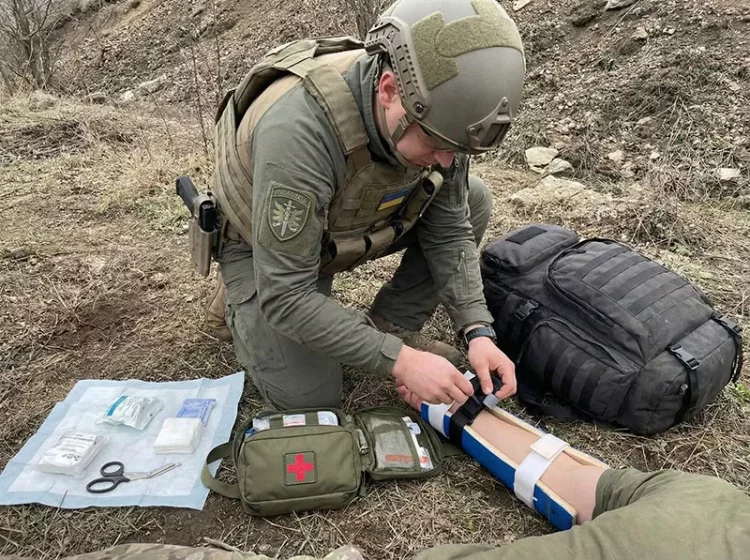
Unlike general workplace kits intended for minor cuts and burns, a professional tactical system emphasizes:
- Structured hemorrhage control
- Organized component access
- Rapid deployment capability
- Environmental durability
- Integration into safety programs
For organizations evaluating professional-grade systems, understanding the differences between a basic kit and a structured trauma solution is critical. A properly configured tactical first aid kit should align with operational risk level, team size, and deployment conditions.
Tactical First Aid Kits vs Standard First Aid Kits
The distinction between a trauma-focused kit and a general first aid kit is often misunderstood. Below is a simplified comparison:
Primary Purpose
Standard First Aid Kit
Designed for minor injuries such as cuts, abrasions, and small burns.
Tactical Trauma Kit
Designed to address severe bleeding, major wounds, and critical injury stabilization before advanced medical care is available.
Injury Severity Focus
Standard Kit
Low to moderate injuries.
Tactical Kit
High-severity trauma management.
Organization
Standard Kit
Basic compartment layout.
Tactical Kit
Structured modular organization for rapid identification and access under stress.
Deployment Environment
Standard Kit
Offices, schools, retail.
Tactical Kit
Industrial sites, field operations, vehicles, maritime platforms, remote environments.
This difference is especially important for organizations operating in environments where evacuation may be delayed or injury risks are elevated.
Core Components of a Professional Tactical Trauma Kit
While configurations vary, professional tactical kits typically include structured components across several functional categories.
Hemorrhage Control
Severe bleeding is one of the most critical preventable causes of trauma-related fatalities. Tactical systems emphasize organized bleeding control components and easy access under pressure.
Airway & Breathing Support
Certain tactical configurations may include components designed to support airway management and breathing stabilization depending on operational requirements.
Wound Management
Advanced wound dressings and structured packaging allow rapid response to large or complex injuries.
Burn Treatment
High-risk industrial and field environments may require burn management capability beyond basic gel packets.
Personal Protective Equipment
Gloves and barrier protection materials support responder safety during emergency care.
Structured Organization
One of the defining features of professional systems is layout organization. Compartmentalized design reduces confusion and improves response efficiency.
Organizations evaluating kit options should focus not only on contents, but on accessibility and deployment logic.
Tactical Trauma Kits by Deployment Environment
Operational environment significantly influences kit configuration. A structured approach to environment-based deployment improves readiness and safety outcomes.
Industrial Worksites
Manufacturing facilities, construction sites, and heavy equipment operations face risks including machinery injuries, lacerations, and crush trauma. An industrial tactical trauma kit should be aligned with worksite hazard profiles and team size.
Maritime & Offshore Operations
Vessels and offshore platforms present unique challenges such as delayed evacuation and saltwater exposure. Marine-oriented trauma systems are configured for corrosion resistance and secure storage in vessel environments.
Wilderness & Remote Environments
Search and rescue teams, field researchers, and outdoor operations often operate in remote terrain where medical response times are extended. A wilderness tactical trauma kit must prioritize durability and field portability.
Vehicle-Based Deployment
Fleet operators and field response teams may require mobile trauma systems secured within vehicles for rapid access.
Team & Group Deployment
Larger teams may require centralized trauma systems designed to support multiple responders during a single incident.
Law Enforcement & Security
Security operations may require structured trauma preparedness tailored to operational risk exposure.
Training & Preparedness Programs
Organizations conducting safety training often utilize dedicated kits to simulate real-world response scenarios and maintain structured readiness.
How to Choose the Right Tactical Kit for Your Organization
Selecting the appropriate configuration involves more than purchasing the largest available kit. Decision-makers should evaluate:
1. Risk Profile
What types of injuries are most likely within your operational environment?
2. Team Size
How many personnel may require support during a single incident?
3. Response Time
Is evacuation rapid or potentially delayed?
4. Deployment Location
Will kits be vehicle-mounted, wall-mounted, or carried into the field?
5. Environmental Conditions
Exposure to moisture, dust, vibration, or extreme temperatures should influence material selection.
A structured evaluation ensures alignment between kit capability and operational need.
How Many Tactical Kits Does Your Team Need?
B2B buyers often overlook deployment quantity planning.
Consider:
- One kit per vehicle in field fleets
- One kit per high-risk work zone
- One centralized kit per team unit
- Redundancy for multi-shift operations
Larger facilities may require layered deployment:
Zone-level kits
Mobile supervisor kits
Centralized trauma station
Proper quantity planning reduces response gaps.
Inspection & Maintenance Best Practices
Owning a tactical trauma system is only the first step. Ongoing inspection and maintenance are essential.
Recommended practices include:
Monthly visual inspection
Quarterly component review
Expiration tracking
Replacement scheduling
Documentation logs
Without inspection planning, even well-equipped systems may fail when needed most.
Common Mistakes in Tactical Trauma Preparedness
Organizations sometimes undermine readiness through:
Purchasing based on size rather than risk
Failing to assign inspection responsibility
Storing kits in inaccessible locations
Neglecting team familiarization
Underestimating trauma severity exposure
Preparedness is not just equipment — it is structured planning and accountability.
Frequently Asked Questions
What is the difference between a trauma kit and a tactical first aid kit?
A trauma kit typically refers to a collection of supplies intended to address severe injuries. A tactical first aid kit is a structured system designed for organized deployment in operational environments.
Are tactical kits only for military use?
No. Many industries including construction, maritime, field services, and security operations implement structured trauma systems.
How often should tactical kits be inspected?
Monthly inspections are recommended, with detailed quarterly reviews to ensure readiness and replace expired components.
Can tactical kits be customized for organizations?
Yes. Professional suppliers often configure systems based on environment, team size, and operational requirements.
Do all organizations need tactical-level preparedness?
Risk assessment should determine preparedness level. High-risk environments typically benefit from structured trauma systems beyond basic first aid kits.
Final Considerations
For organizations operating in high-risk environments, structured trauma preparedness is a critical component of operational safety strategy.
A tactical first aid kit is not simply equipment — it is part of a broader emergency response framework that includes risk assessment, deployment planning, inspection procedures, and team awareness.
When evaluating options, decision-makers should focus on environment alignment, organizational structure, and long-term maintenance planning.
To explore professional-grade systems designed for operational environments, review available tactical first aid systems or contact our team for bulk procurement guidance tailored to your organization’s needs.